
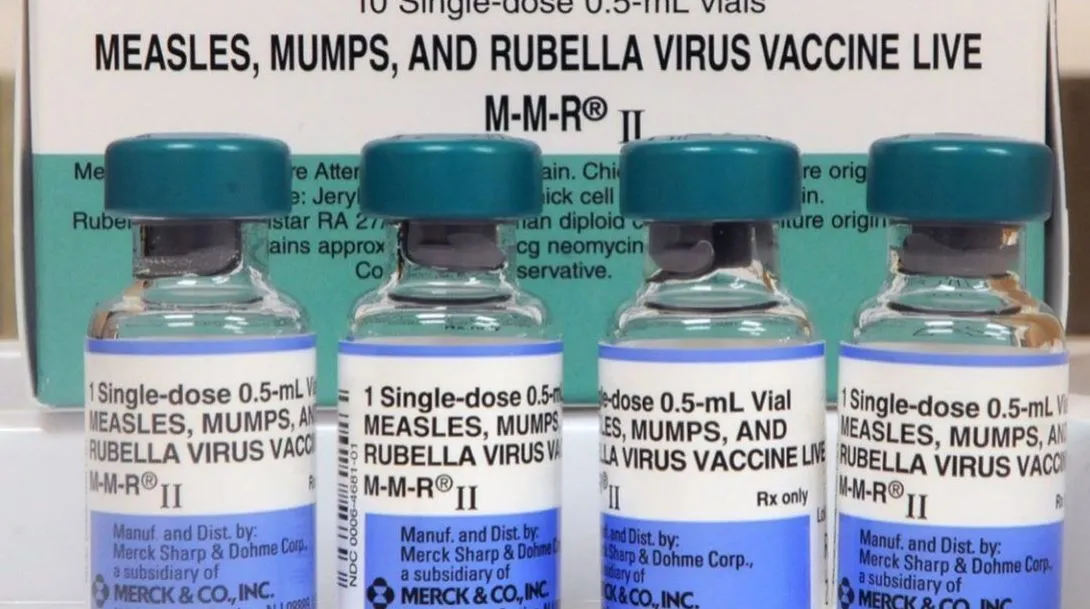
Pennsylvania is grappling with a public health crisis of historic proportions as a massive measles outbreak has pushed total case counts past 1,000. This surge marks the most significant spike in infections since the virus was declared eliminated in the United States back in 2000. State health officials confirmed this afternoon that there have been 1,078 cases so far in 2026, with an overwhelming majority occurring since April. The momentum shows little sign of slowing down, with nearly 150 new cases recorded in just the last week alone.
The human cost of the outbreak has been devastating, resulting in five deaths and more than 200 hospitalizations. Those who passed away included two infants too young for immunization and three adults ranging from ages 18 to 40; all were unvaccinated. These tragedies highlight the lethal potential of a virus that many had forgotten about but which continues to find footholds in communities where vaccine coverage has slipped.
This particular wave eclipses recent major outbreaks in other states, including a severe run in South Carolina that saw nearly a thousand cases earlier this year. While Texas also struggled with hundreds of infections throughout 2025, Pennsylvania’s current numbers represent a new and alarming peak for the country. The sheer scale of the spread suggests that existing containment strategies are struggling to keep pace with the highly contagious nature of the disease.
Beyond state borders, these figures put the entire nation’s standing on the global stage at risk. International experts from the Pan American Health Organization are scheduled to review U.S. data in November to determine if the country has officially lost its measles elimination status. Following Canada’s loss of similar status in 2025, medical professionals widely expect that American officials will face a similar downgrade due to failing vaccination rates and recurring outbreaks like the one currently ravaging Pennsylvania.