
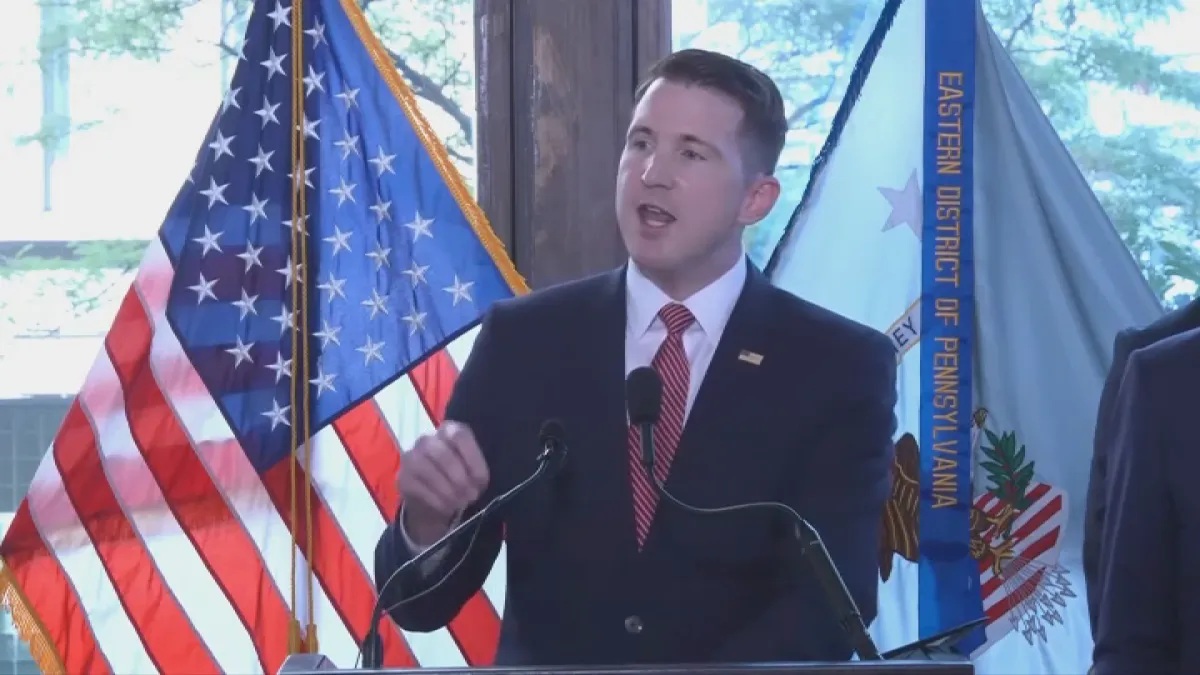
More than a dozen defendants are facing criminal charges after state and federal investigators uncovered what they described as widespread healthcare fraud targeting Pennsylvania’s Medicaid program, resulting in more than $4 million in fraudulent claims. Officials announced the charges at a news conference Tuesday, saying 19 defendants had been charged over the past 12 days in connection with schemes that billed taxpayers for home care services that were never actually provided.
U.S. Attorney David Metcalf did not mince words when describing the scope of the alleged fraud, calling it outrageous and unacceptable. He said some defendants billed for caregiving services performed by people who were dead, incarcerated, or actively involved in drug trafficking. In one case, prosecutors charged two home health aides and two purported patients with causing more than $400,000 in false claims for services supposedly performed while the aides were hospitalized, working other jobs, or sitting behind bars. Assistant Attorney General Colin McDonald emphasized that these were not paperwork errors or accounting mistakes but deliberate theft disguised as care.
Some of the individual cases read like dark comedy. One defendant allegedly billed Medicaid for a full day of in-home care for his father on the very day the father was sitting in a courtroom watching another relative get sentenced for defrauding the same program. Another defendant, Sean Murray, is accused of billing for roughly 30 hours of care last March while he was vacationing on a Norwegian Cruise Line voyage. Authorities said Murray later boasted about the scheme during a recorded jail call, calling home healthcare the best kept secret and an easy racket. His attorney, Gina Amoriello, said she looks forward to reviewing the evidence and defending her client aggressively, noting that Murray enjoys the presumption of innocence.
Prosecutors say the problem has grown exponentially since Pennsylvania’s home care program launched in 2018. Billing totaled $120 million that first year but skyrocketed to $8 billion last year, a jump Metcalf called not a reflection of supply and demand but rather systematic exploitation by fraudsters. Part of the vulnerability stems from the fact that caregivers under the program do not need a medical license, making it harder to verify whether services were actually rendered. To combat the growing problem, officials announced that the Northeast Strike Force team is expanding into Philadelphia with dedicated fraud prosecutors aimed at rooting out abuse across the state.