
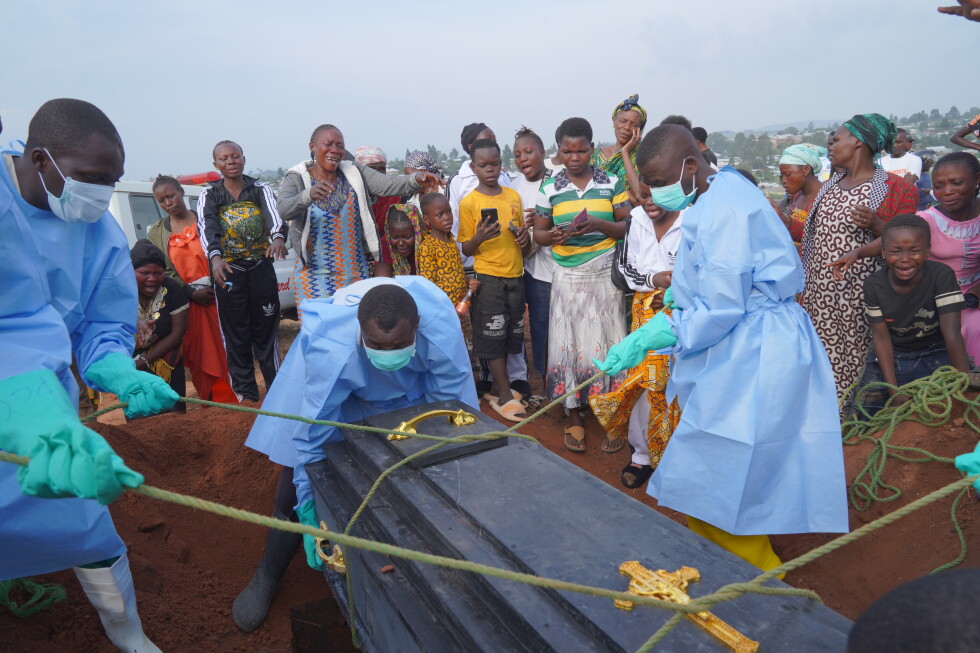
The World Health Organization issued a stark warning on Wednesday, stating that the current Ebola outbreak in the Democratic Republic of Congo is on a trajectory to become the deadliest in recorded history. Tedros Adhanom Ghebreyesus, the head of the WHO, told reporters that at its present pace, the crisis is set to eclipse the horrific 2014 to 2016 West African epidemic which claimed more than 11,000 lives. This latest surge in eastern Congo is already being described as the fastest growing outbreak ever seen, with over 2,000 deaths reported among more than 4,300 confirmed cases.
What makes this particular crisis so perilous is that it involves the rare Bundibugyo virus, for which there are currently no approved vaccines or treatments. While officials originally declared the outbreak on May 15, genetic sequencing suggests the virus actually began spreading back in February, giving the disease a significant head start over international response teams. Dr. Abdirahman Mahamud of the WHO noted that while they hope to reach a peak within six months under a moderate scenario, some projections suggest the battle could drag on for up to a year.
Containment efforts are being severely hampered by a perfect storm of geography and instability. Much of the spread is occurring in remote areas near the borders of South Sudan, Uganda, and Rwanda, where crumbling infrastructure and active conflict make it nearly impossible for health workers to reach affected villages. To make matters worse, local mistrust fueled by misinformation has led many residents to avoid clinics altogether, while some essential healthcare staff have gone on strike due to unpaid wages.
Despite these challenges, scientists are racing to find a medical solution. Clinical trials for two potential treatments recently launched in Ituri province, and vaccines specifically designed for the Bundibugyo strain are being tested in humans for the first time. Additionally researchers believe this specific outbreak originated from an animal jump rather than previous human infections, citing genomic differences from past outbreaks in 2007 and 2012. For now however global health leaders admit they are simply playing catch up against a virus moving faster than their ability to track it.