
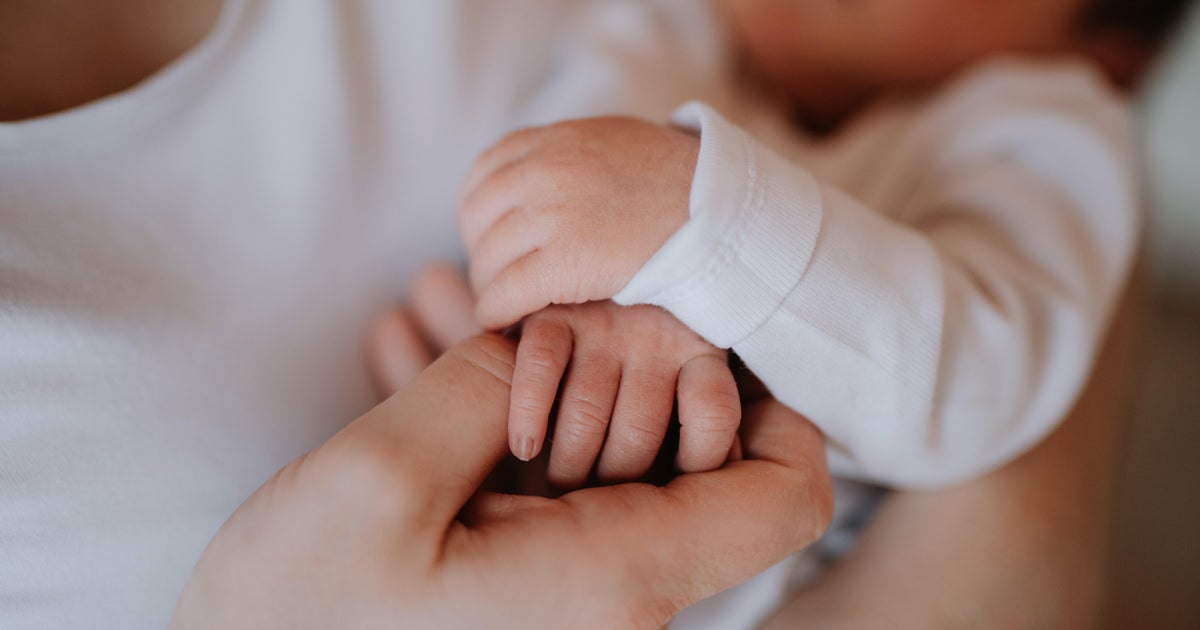
For Abby Laskey and Liam Hammons, the official word that the measles outbreak in Utah is slowing down provides little comfort. Their daughter, Kasey, will be seven weeks old tomorrow, yet she remains a stranger to her own extended family. Great-grandparents in the Midwest and relatives in Arizona remain off-limits because Kasey is far too young for the MMR vaccine. While state officials have shifted guidance back to the standard twelve month vaccination window as local case counts drop, the couple finds themselves trapped in a precarious gap where their infant’s safety depends entirely on the immunity of everyone else.
Life in their Mill Creek apartment has become a series of restrictions designed to ward off a virus that many believe is already receding. There are no trips to museums, no visits to indoor public spaces, and certainly no flights. Even though both parents are vaccinated and following every medical directive, they feel forced into a role of permanent vigilance. This isolation extends to their emotional life as well; when explaining their caution to skeptical older relatives, they find themselves citing pediatricians as the primary reason for staying away. It is a dynamic that leaves them feeling uneasy, as if they are shifting the blame onto a healthcare system that is already struggling against public distrust.
The tragedy of their situation highlights a crumbling wall of collective protection known as herd immunity. National kindergarten vaccination rates have dipped below the critical threshold required to protect those who cannot be vaccinated, such as newborns and the immunocompromised. As this communal shield thins, the burden falls on individuals like Abby and Liam, who must play bouncer during their own maternity leave. Beyond the immediate fever and rash, they worry about immune amnesia—the way measles can wipe out a child’s existing immune memory—leaving them vulnerable to other infections for years after recovery.
While Utah may see fewer new cases than it did during its March peak, the broader picture remains grim. Nationally, 2026 has already surpassed last year’s total number of cases with half the year remaining, marking a thirty five year high. Genomic sequencing suggests much of this stems from a single continuous chain originating in Texas nearly two years ago. For families like Laskeys and Hammonses, these statistics translate into missed milestones and empty arms. They aren’t just afraid of a virus; they are grieving the loss of a societal trust that once ensured children could enter the world safely without having to hide from it.