
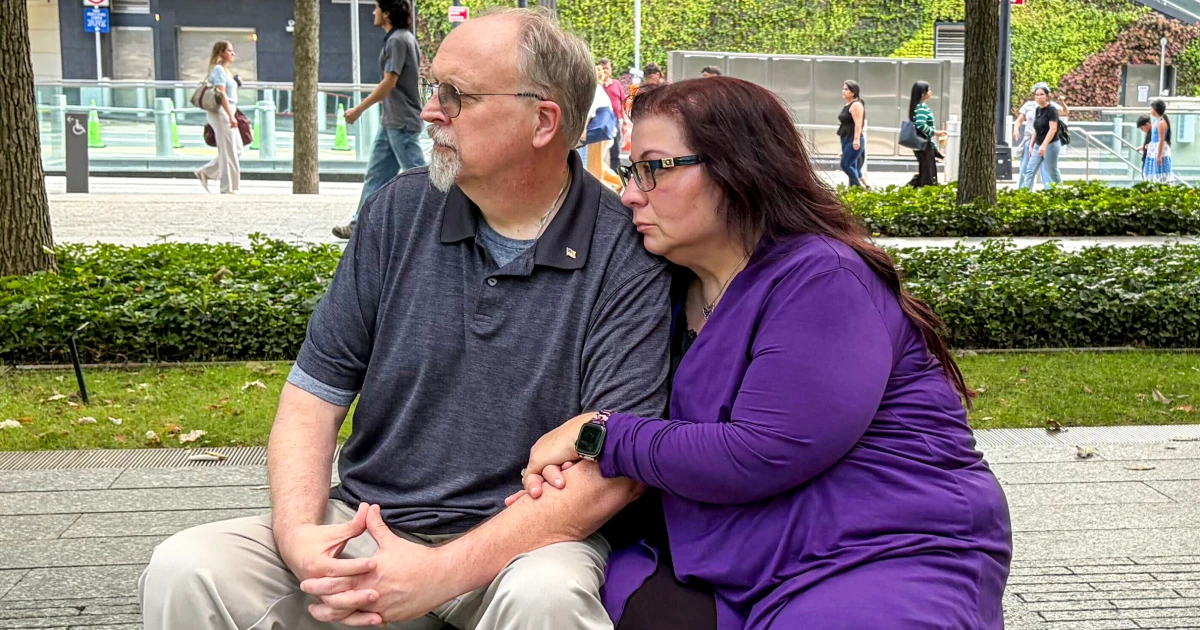
For Stephen Stolarik, signing up for the World Trade Center Health Program back in 2011 felt like a lifeline. As a volunteer firefighter who spent grueling days at ground zero assisting with recovery and cleanup efforts shortly after the September 11 attacks, Stolarik faced an invisible battle long after the dust settled. For years, the federal initiative provided essential support, covering the costs associated with treating his post-traumatic stress disorder, a condition directly tied to the horrors he witnessed during those weeks in Lower Manhattan.
However, a new and devastating challenge is emerging for many responders that falls outside the boundaries of their current benefits. While the program has been instrumental in managing physical ailments and psychological trauma, it currently does not cover dementia. This gap in coverage leaves aging survivors and first responders facing steep medical bills and dwindling options just as they enter one of the most vulnerable stages of their lives.
The omission highlights a growing tension between the promised lifelong care for heroes and the rigid bureaucratic definitions of what constitutes a service-related illness. Families now find themselves navigating a complex web of denials while trying to secure memory care and neurological treatment for loved ones whose minds are failing them. It is a secondary tragedy for those who already gave so much to help New York City recover from its darkest day.