
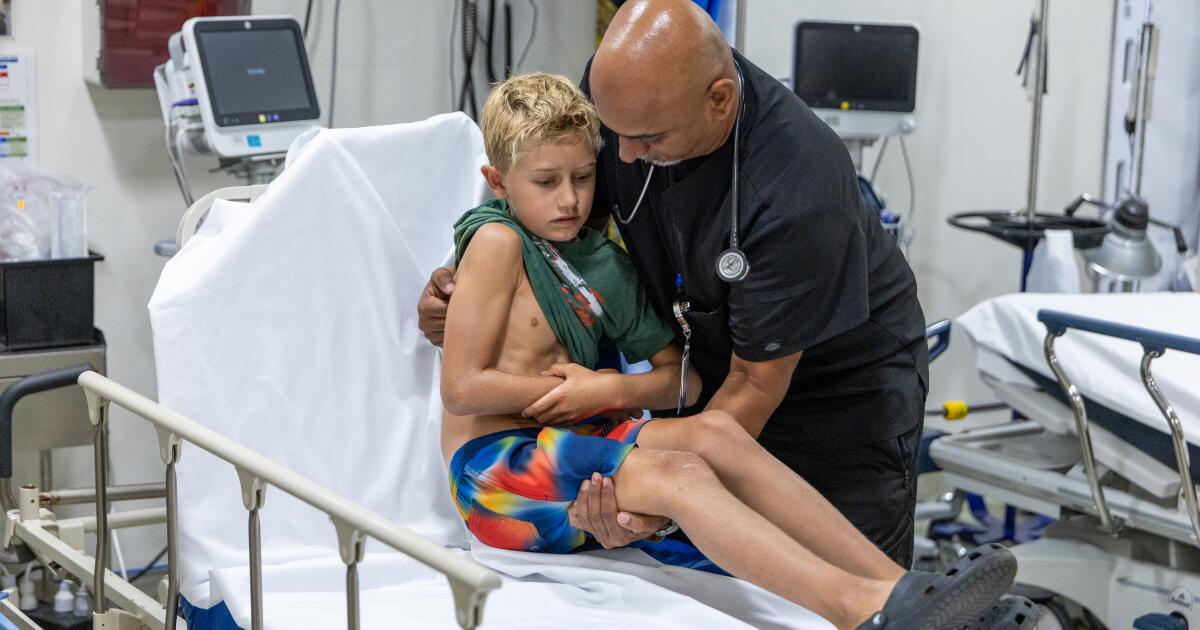
The quiet atmosphere of the two bed emergency room at Catalina Island Health was recently interrupted by a flurry of activity as two injured tourists arrived almost simultaneously. Praveen Biln, the registered nurse on duty, quickly pivoted between treating a middle aged woman who broke her elbow while roller skating near the Catalina Casino and reassuring an eight year old boy from Newport Beach whose arm injury thankfully turned out not to be a fracture. For the four thousand permanent residents and the million annual visitors who flock to the island, these moments of routine care are made possible by the only full time medical provider in the region.
However, behind the scenes of these daily rescues, the hospital has been fighting a desperate battle for its own survival. Chief Executive Officer Tim Kielpinski revealed that by June of 2025, the facility was in dire straits with only six days of cash remaining before it would have faced impossible decisions regarding whether to keep its doors open. While an emergency multimillion dollar bailout from Los Angeles County provided a temporary lifeline, increasing their reserves to forty five days of cash, leadership warns that these one off payments are not a sustainable long term solution for a facility consistently operating in the red.
The financial instability is part of a broader crisis affecting healthcare across Los Angeles County. A perfect storm of soaring post pandemic inflation, inadequate government reimbursements for Medi Cal and uninsured patients, and difficulty collecting payments from insurance companies has left many providers vulnerable. Adding to the anxiety is the looming threat of 2027, when changes introduced by the One Big Beautiful Bill Act are expected to strip millions in federal funding from various healthcare systems. Paul Young of the Hospital Association of Southern California described current hospital finances as an unstable mix of calculus and Jenga pieces.
There are glimmers of hope through local political action, such as Measure ER, which introduces a half cent sales tax intended to generate one billion dollars annually for struggling clinics and hospitals. Additionally, there is ongoing pressure on the county board to rethink how property taxes from Measure B are allocated; currently, much of that money goes toward major trauma centers rather than smaller emergency facilities like Catalina Island Health. Without recurring support or successful contract renegotiations, officials fear a future where residents must rely solely on fire department staff or Baywatch until they can be transported back to the mainland. Such a shift would eliminate critical access to CT scans and specialized life saving procedures, potentially leading to far worse health outcomes for everyone on the island.