
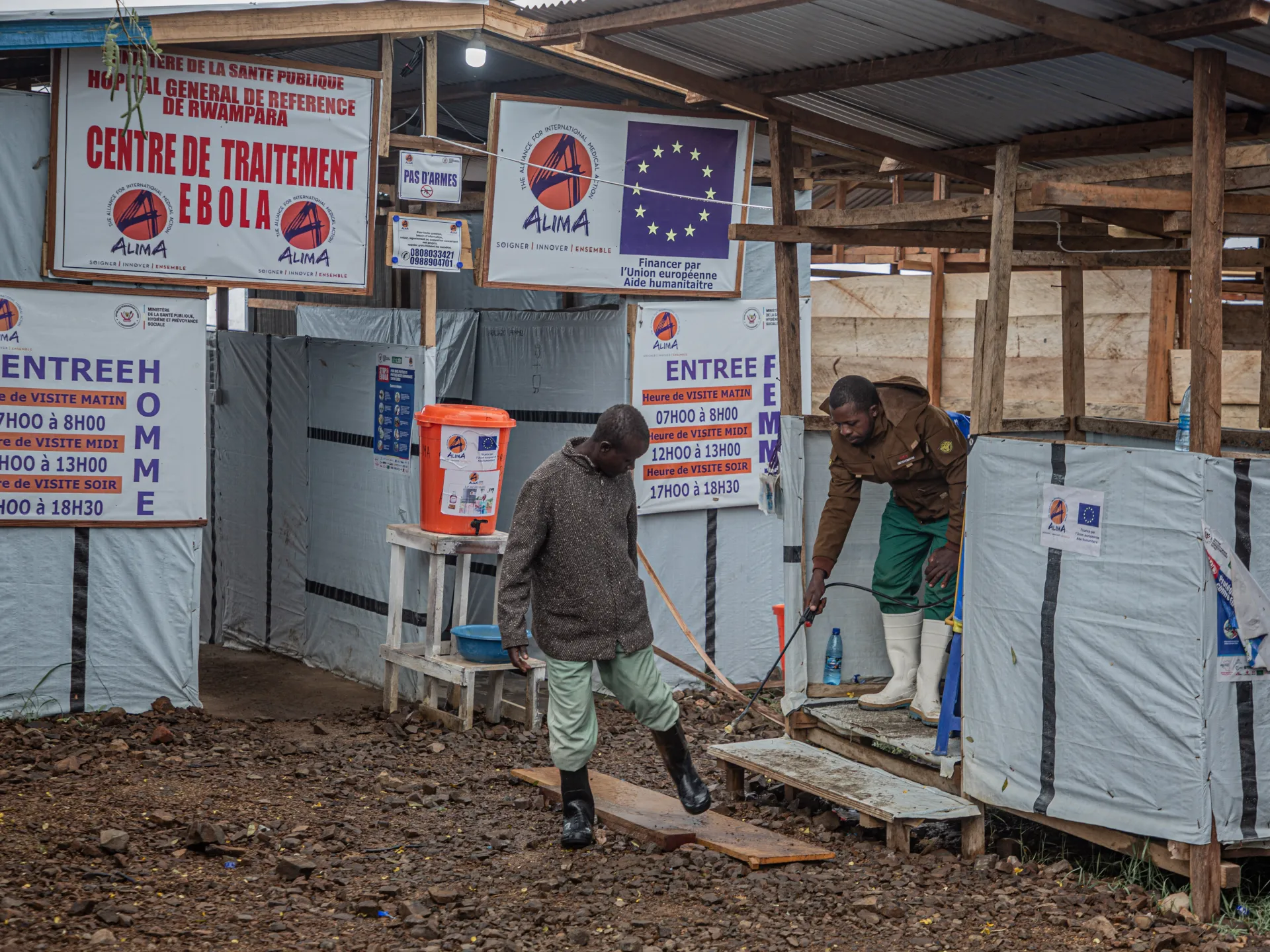
A critical shipment of over 16,000 doses of the Ervebo vaccine landed in Kinshasa late Friday evening as the Democratic Republic of the Congo battles what is becoming its deadliest Ebola outbreak on record. This initial delivery marks the beginning of a larger commitment from the World Health Organization and its partners to provide 70,000 doses total to help stem a tide of infections that officials describe as growing exponentially. With death tolls already surpassing 2,500 and thousands more infected, the arrival of these vaccines provides a glimmer of hope amid a mounting global emergency.
Medical experts acknowledge a significant complication in this fight because Ervebo was specifically developed for the Zaire strain of Ebola, while the current crisis involves the Bundibugyo strain, which lacks an officially approved vaccine. However, early data from animal trials suggest that the existing vaccine may still offer some level of protection or at least reduce mortality rates among those infected. To determine exactly how effective it is against this specific mutation, health authorities plan to use 20,000 of the incoming doses for a late stage clinical trial, while prioritizing the remaining supply for brave frontline healthcare workers.
Health Minister Samuel Roger Kamba reminded reporters that Ervebo has proven successful in previous outbreaks across the region, though today’s challenge is compounded by severe logistical hurdles. Efforts to curb the virus have been hampered by persistent armed conflict in eastern regions and a crumbling infrastructure that makes identifying new cases difficult. Epidemiologists like Paul Hunter note that while using a cross strain vaccine remains somewhat speculative, any reduction in viral load within patients could potentially lower transmission rates throughout communities.
As more shipments are expected to arrive next week, international monitors remain concerned that the peak of transmission has not yet been reached. Data suggests that infection rates could triple if containment efforts fail to gain traction quickly. For now, Congolese officials and their international allies are racing against time to deploy these resources into volatile areas where every single dose represents a vital chance at survival for both medical staff and civilians alike.