
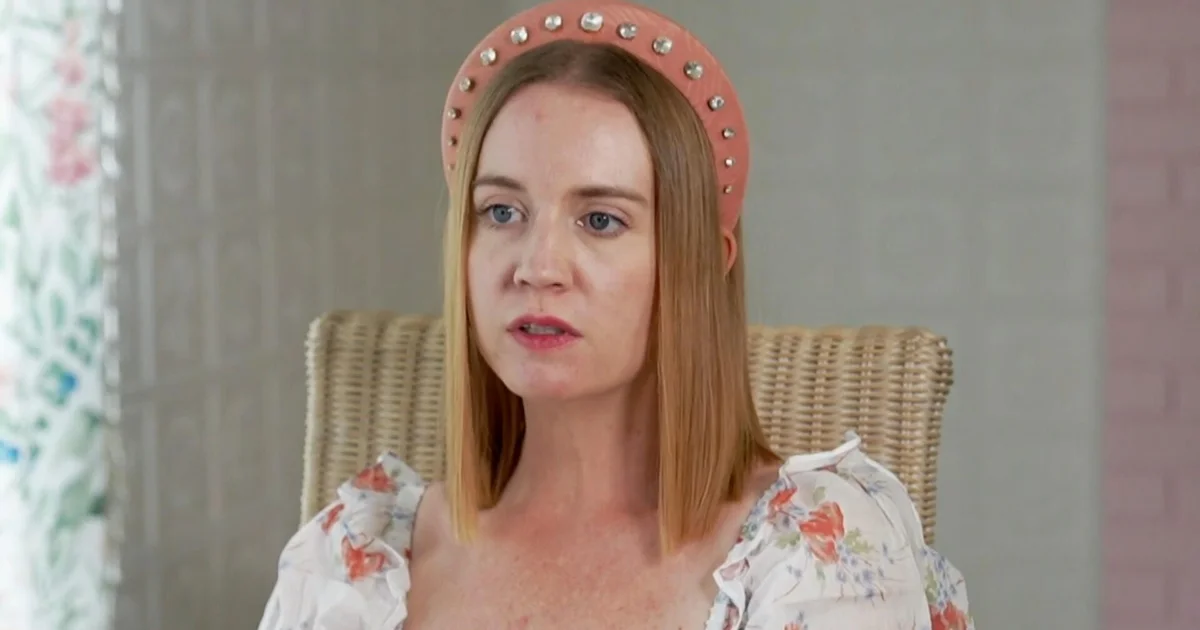
Haley Ashcom spent years dreaming of a large family, but the arrival of her first son in 2020 brought an unexpected and terrifying descent into mental instability. What began as common struggles with insomnia and anxiety quickly spiraled into something far more sinister. Ashcom recalls how what she initially perceived as simple intrusive thoughts gradually evolved into audible voices that grew increasingly loud and violent, eventually convincing her that ending her life was the only viable option.
The road to a correct diagnosis was fraught with confusion and fear. Initially treated for postpartum depression with standard anti-anxiety medication, Ashcom found that her condition only worsened despite medical intervention. It was only after checking herself into a psychiatric hospital that she learned she was suffering from postpartum psychosis, a rare and severe break from reality. At the time, the revelation left her feeling like a monster, unaware that she was experiencing a clinical emergency where the brain fails to process information correctly, often resulting in delusions centered around the infant.
Medical experts warn that this condition remains dangerously underdiagnosed despite its potential for lethal outcomes. Perinatal psychiatrists note that while it affects roughly one to two out of every thousand new mothers, those with existing mental health histories are at higher risk. The urgency of these conversations has intensified recently due to the high profile trial of Lindsay Clancy, whose defense argues that postpartum psychosis led her to kill her three children in 2023. Doctors hope this tragedy serves as a watershed moment for public awareness and better screening processes.
For Ashcom, getting the right diagnosis was the turning point that allowed her to recover and safely grow her family by welcoming three more children without further episodes of psychosis. By sharing her harrowing journey, she hopes to strip away the stigma associated with maternal mental health crises. She emphasizes to other parents that seeking immediate help is not a sign of failure but rather an act of strength and protection for both themselves and their babies.