
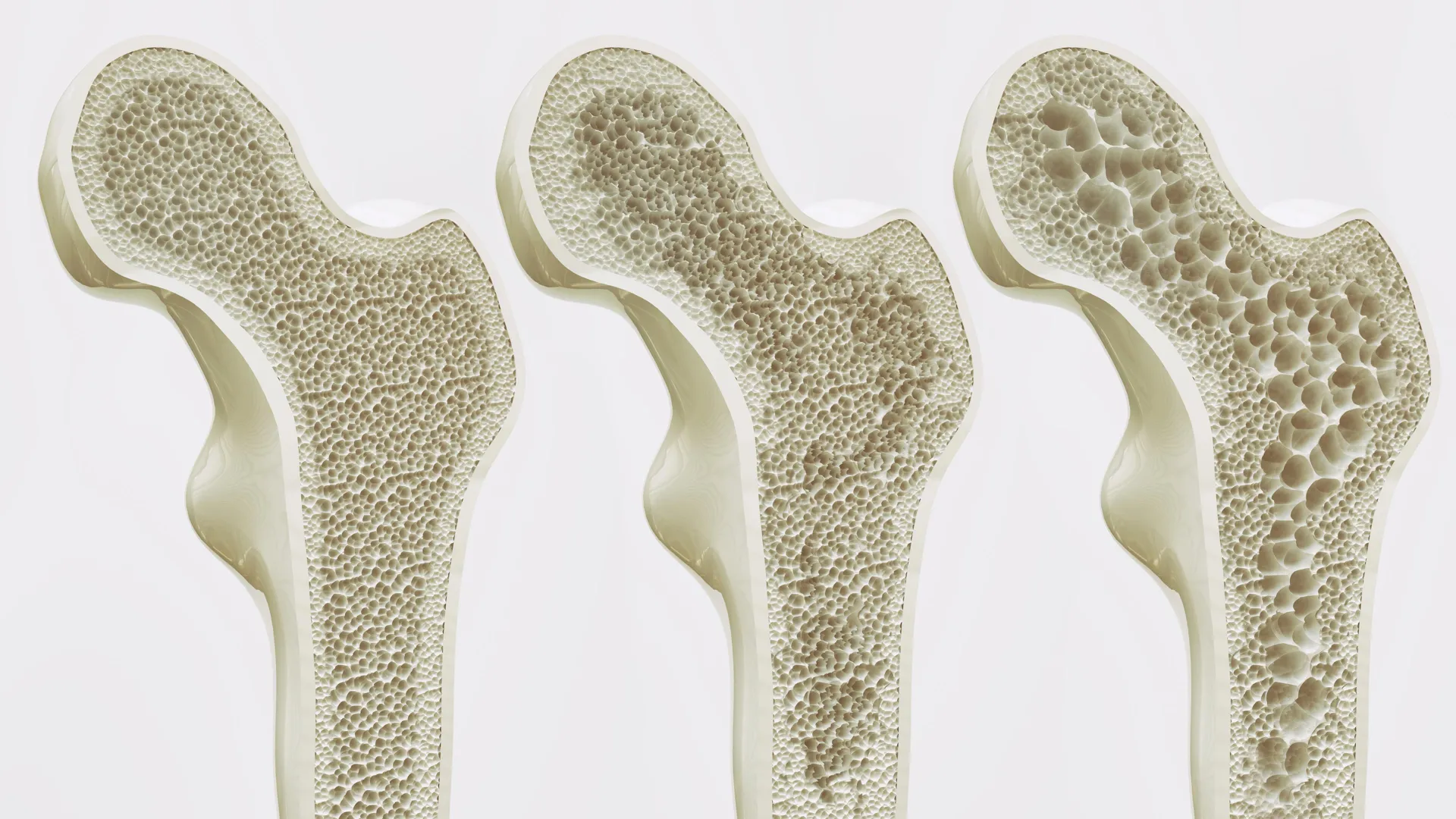
For many, a morning brew is a non negotiable part of the daily routine, but new research suggests that what we put in our mugs might actually influence the strength of our skeletons. A decade long study conducted by researchers at Flinders University has revealed that while moderate coffee drinking is generally harmless, excessive consumption may be linked to weaker bones in older women. By tracking nearly 10,000 women aged 65 and older, the team monitored bone mineral density in the hips and femoral neck to determine how various beverages affected the risk of osteoporosis.
The findings indicate a stark contrast between tea and coffee drinkers. Women who regularly consumed tea showed slightly higher bone mineral density compared to those who avoided it. According to co author Ryan Liu, this benefit likely stems from catechins found in tea, which may help promote bone formation and slow down its breakdown. While the improvement was modest, researchers noted that even small gains in density can lead to significantly fewer fractures when applied across a massive global population.
Coffee presented a more nuanced picture. Those sticking to two or three cups a day saw no adverse effects on their bone health. However, problems emerged for heavy drinkers consuming more than five cups daily, who exhibited lower bone mineral density. This effect was particularly pronounced in women with higher lifetime alcohol consumption. Scientists believe that high levels of caffeine can interfere with calcium absorption and bone metabolism, although they mention that adding milk to your coffee can help offset these negative impacts.
Despite these discoveries, experts caution against making drastic changes to your diet overnight. Adjunct Associate Professor Enwu Liu emphasized that the differences observed were statistically significant but relatively small, meaning there is no need for coffee lovers to suddenly quit or start drinking gallons of tea. Instead, the study serves as a gentle reminder that moderation is key and that incorporating tea into a daily ritual could be a simple way for older women to support their skeletal health alongside traditional supplements like calcium and vitamin D.