
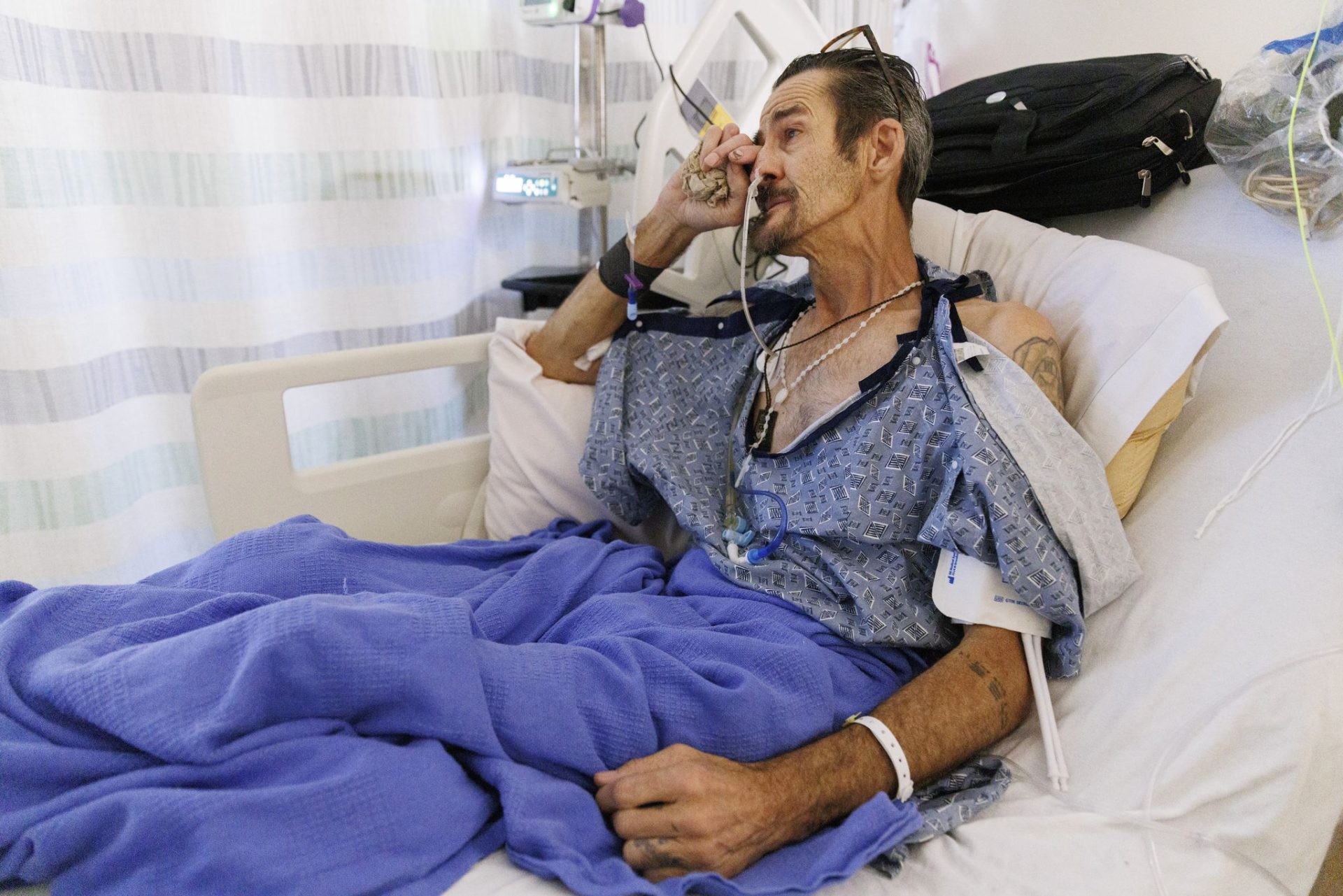
For Rodrigo, a fifty eight year old construction worker and green card holder, ten months in an ICE detention facility felt like a slow countdown toward the inevitable. Having already fought one battle with throat cancer in 2022, he watched in horror as a new tumor grew to the size of a lemon in his neck, pressing against his windpipe and stealing his ability to speak and swallow. Despite repeated pleas for help and requests from the center’s own medical staff for an outside oncology evaluation, federal authorities refused to authorize the care. By the time a judge ruled his arrest illegal and ordered his release in early August, Rodrigo was rushed to the hospital with a brain aneurysm caused by a blood clot from the neglected tumor.
This harrowing experience is part of a broader systemic collapse within ICE facilities that advocates are now calling a death policy. Since October 3, 2025, ICE has reportedly failed to pay any of its providers for detainee medical care. The crisis began when the Department of Veterans Affairs abruptly ended a longstanding agreement to process medical claims for third party specialists who provide essential care unavailable inside detention centers. This severance came amid political pressure from critics who argued that veteran resources were being diverted to immigrants, despite evidence that ICE had been reimbursing the VA for these services.
The fallout has been catastrophic. Internal directives reveal that ICE declared emergency operations shortly after the payment system broke down, sharply restricting access to medications and off site specialist visits. While hospitals and ambulance services report being owed millions of dollars, patients with life threatening conditions have seen critical appointments delayed or canceled entirely. Some detainees have even been billed thousands of dollars directly for care that national standards dictate should be provided at no cost.
Medical experts who reviewed several cases describe the resulting delays as far below any acceptable standard of care. For patients like Rodrigo, waiting months for cancer diagnostics isn’t just negligence; it is potentially lethal. As ICE budgets swell to 104 billion dollars this fiscal year, doctors warn that relying on the moral obligation of unpaid providers is unsustainable and creates a dangerous environment where preventable disabilities and deaths become common occurrences behind closed doors.