
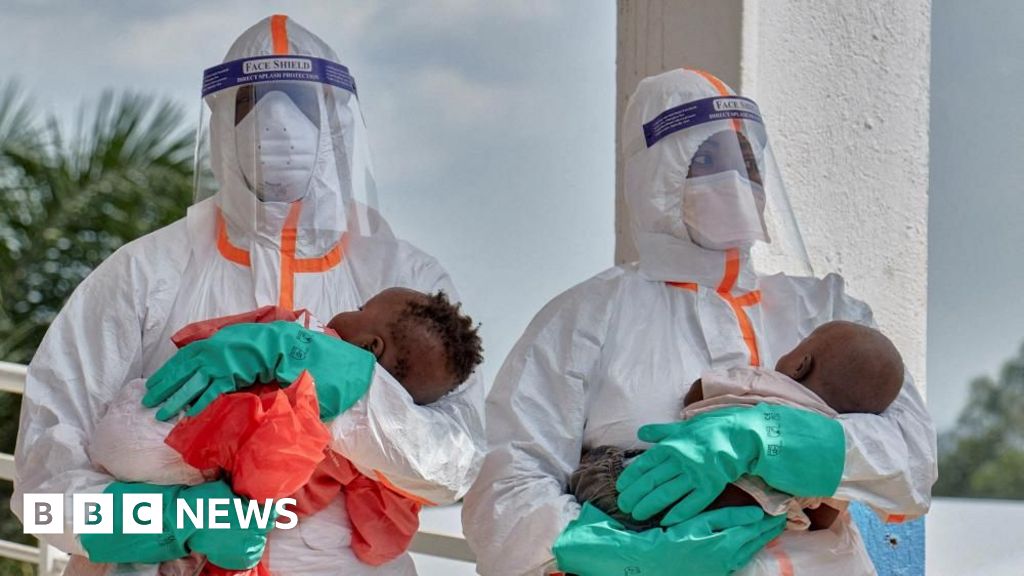
The World Health Organization has sounded a dire alarm as an Ebola outbreak in the Democratic Republic of Congo has become the largest in the nation’s history. Since being declared on May 15, 2026, the crisis has seen a staggering rise in infections, surpassing even the devastating outbreak experienced between 2018 and 2020. As of late July, officials have confirmed 3,605 cases and 1,587 deaths, representing a chilling fatality rate of 44 percent.
This particular surge is driven by the Bundibugyo strain of the virus, which presents a unique challenge because there is currently no approved vaccine or treatment available to combat it. While researchers in Singapore and the United Kingdom are working urgently to develop medical interventions, health workers on the ground are fighting an uphill battle against a virus that spreads rapidly through contact with bodily fluids. The situation is intensifying quickly, with recent data showing an exceptional pace of transmission that peaked at 567 new cases in a single week.
Much of the devastation is centered in the Ituri province in the northeast, where geopolitical instability is fueling the fire. According to the WHO, persistent insecurity and massive population displacements are making it nearly impossible for response teams to contain the spread effectively. These challenges are compounded by frequent cross-border movements near South Sudan and Uganda, turning a local crisis into a regional threat.
The reach of the virus has already extended beyond Congolese borders, with twenty cases reported in Uganda and one case identified in France. Additionally, two patients from Congo required specialized care in Germany to survive their infections. With thousands dead across Africa over five decades due to various Ebola strains, global health authorities warn that without immediate stability and medical breakthroughs for this specific strain, the window to prevent further international spread remains dangerously open.