
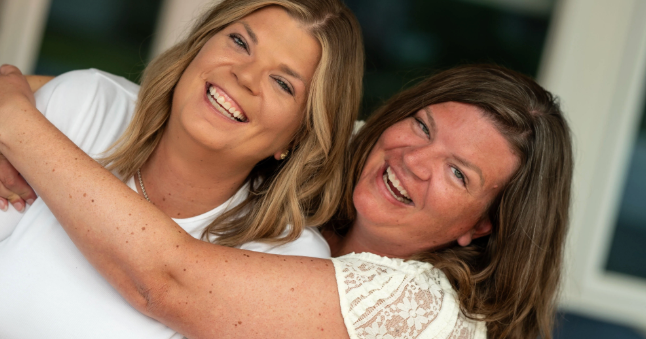
For years, Megan Kaverman felt her body failing her, but no one seemed to know why. Starting at age 18, she dealt with unexplained weight gain and shortness of breath that doctors frequently brushed off. By the time she was 25, severe fatigue set in, making simple breathing a struggle. Despite multiple emergency room visits and high blood pressure, physicians told her she was simply too young to have heart problems; one doctor even suggested she just eat less pizza. It wasn’t until 2016, at age 27, that Kaverman refused to leave a hospital without answers. After landing in the ICU, she was finally diagnosed with heritable pulmonary arterial hypertension, a rare genetic disorder that causes lung arteries to narrow and forces the heart to work dangerously hard.
Kaverman viewed her diagnosis as a rebirth and sought specialized care at the Cleveland Clinic to reclaim her life. However, two years later, history began to repeat itself within her own family. Her older sister, Katie Gusching, began experiencing familiar red flags after welcoming her first child. Gusching found herself struggling to breathe during basic household chores and noticed swelling in her legs. When Gusching’s vision briefly went white one day and doctors noted her high blood pressure, Kaverman recognized the pattern immediately and urged her sister to be tested for the same rare condition. Because of Megan’s prior ordeal, Katie received a prompt diagnosis that she believes ultimately saved her life.
The sisters now navigate the complexities of the chronic illness together, sharing the emotional burden of grieving their former physical capabilities while fighting for their future health. While there is no known cure for this specific form of pulmonary hypertension—which affects fewer than one in a million people—both women are receiving advanced treatment and participating in clinical trials at the Cleveland Clinic. Their specialists note that modern medicine offers far more hope today than in previous decades, allowing both women to regain significant mobility.
Today, the shared diagnosis has transformed from a family tragedy into a bond of resilience and advocacy. Once unable to function normally, Kaverman is now running 5Ks thanks to new medications, while Gusching has returned to hiking miles of trails. Together, they are working to raise awareness about the disease so others aren’t dismissed by medical professionals due to their age. For these two sisters, surviving a rare disease hasn’t just given them another chance at life; it has brought them closer together than ever before.