
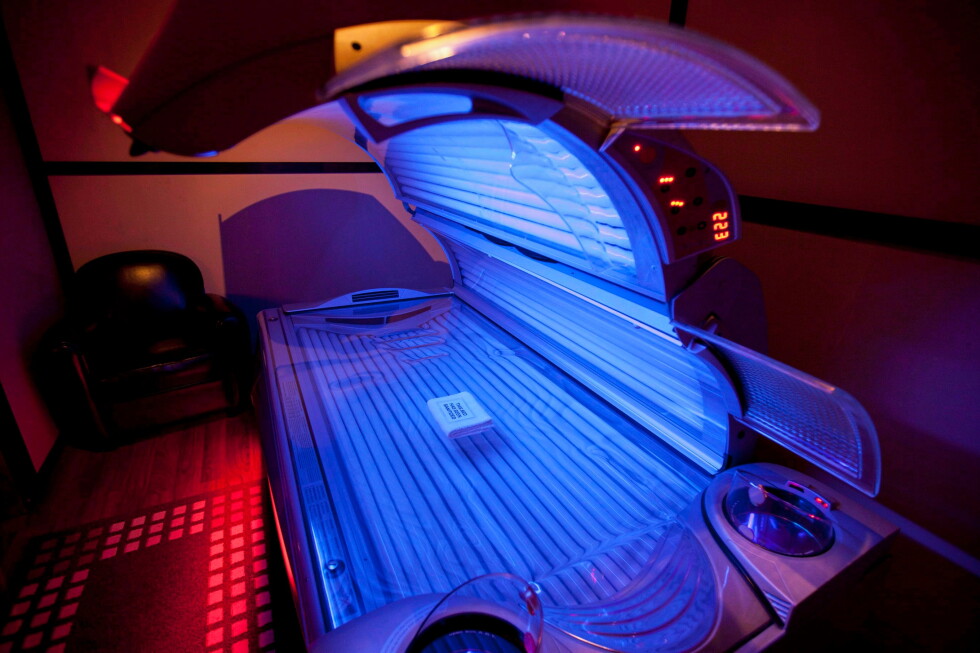
For Nichole Sims, the drive to fit in during her teenage years led her to a tanning bed. Like many of her peers preparing for homecomings and proms, she saw a golden glow as a prerequisite for beauty. However, that desire for immediate validation came with a devastating price; eight years later, Sims was diagnosed with melanoma, a potentially life threatening form of skin cancer. Now, she spends her time fighting back against a dangerous trend on social media where influencers frame tanning as a mood booster and an essential aesthetic choice, often ignoring the long term biological costs.
Medical experts are sounding the alarm as Gen Z increasingly prioritizes aesthetics over safety. According to recent data from the American Academy of Dermatology, many young adults still cling to myths like the idea of a base tan providing protection against burns. On platforms like TikTok, videos showcasing deep tan lines garner millions of views, while some creators go so far as to mock expert warnings or spread falsehoods claiming that sunscreen itself causes cancer. This cultural shift toward normalizing UV exposure comes at a precarious time, with the American Cancer Society projecting more than 100,000 new melanoma diagnoses in the U.S. by 2026.
The science behind this risk is stark. Research from Northwestern University reveals that tanning beds can emit ten times more UV radiation than the sun, causing mutations in skin cells called melanocytes at double the rate of natural sun exposure. Dr. Pedram Gerami explains that it only takes a few specific mutations to trigger melanoma, meaning tanning beds essentially prime the body for cancer. Despite these findings and the World Health Organization classifying tanning beds alongside tobacco and asbestos as carcinogens, regulatory efforts have stalled. The FDA recently withdrew a proposed rule that would have banned minors under 18 from using tanning beds nationwide, leaving most protections up to individual states.
Because teenagers often struggle to grasp distant health threats, psychologists suggest shifting the conversation away from cancer and toward immediate physical appearances. Professor Sherry Pagoto recommends emphasizing how excessive UV exposure leads to premature wrinkles and leathery skin—outcomes that resonate more with image-conscious youth than a diagnosis decades away. By modeling safe behaviors and offering alternatives like self tanners or dermatologist visits featuring UV photography to reveal hidden damage, parents may be able to steer their children away from a trend that offers temporary beauty at an permanent cost.