
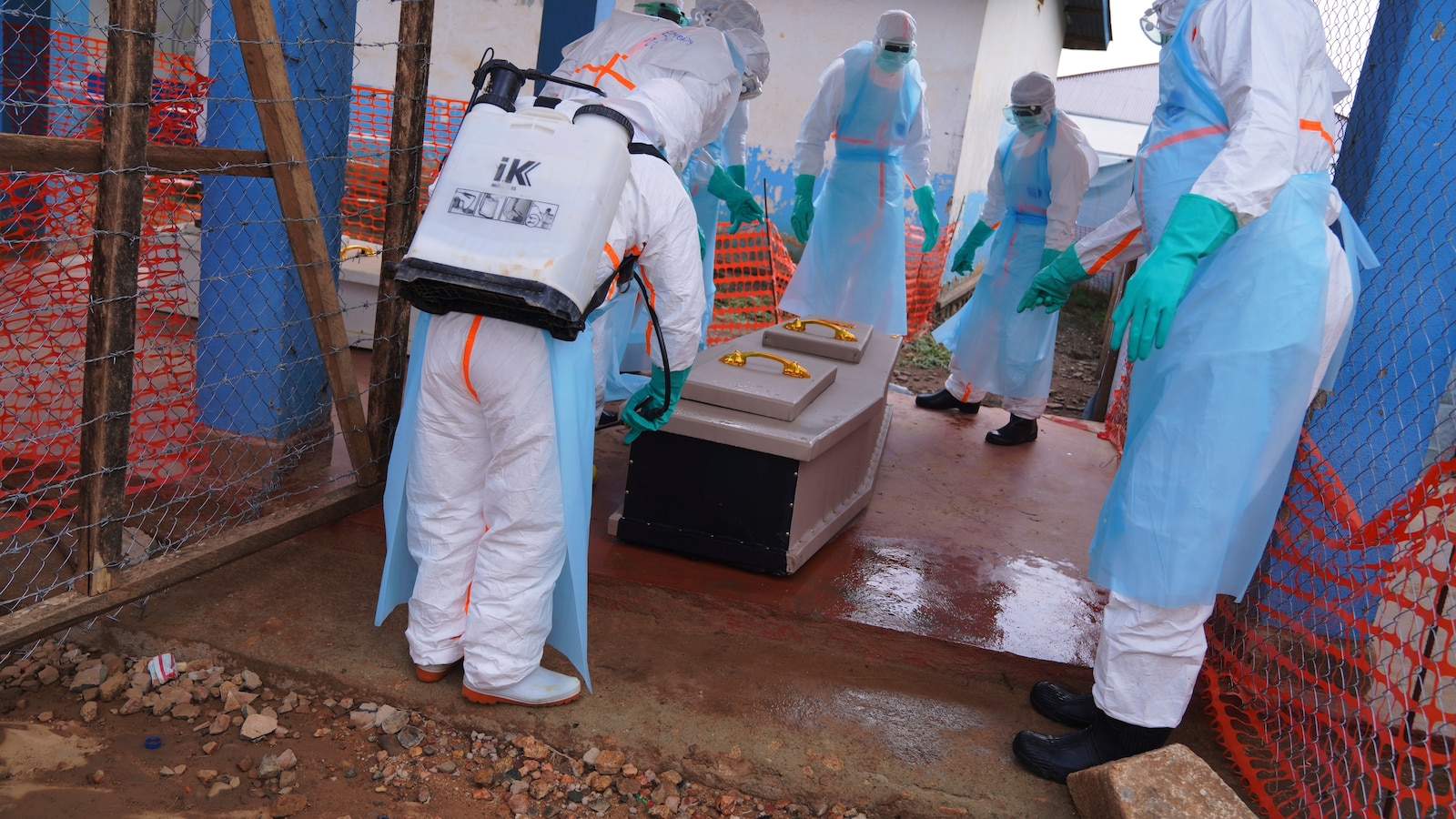
Health officials in Congo are sounding the alarm as a new Ebola outbreak accelerates at a terrifying pace, surpassing the speed of the deadliest epidemic on record. Recent data from the Ministry of Health reveals that the current crisis has already claimed over 1,000 lives, hitting that grim milestone nearly three times faster than the catastrophic 2014 to 2016 outbreak. While the previous disaster took eight months to reach a thousand deaths, this surge achieved the same number in just over two months since its declaration in mid May.
The rapid escalation is attributed to a rare variant known as the Bundibugyo virus, which differs significantly from the more common strains seen in past epidemics. Unlike the virus responsible for the West African crisis years ago, there are currently no approved vaccines or specific treatments available for this particular strain. Although the total death toll remains lower than historical peaks and the fatality rate sits at forty percent compared to sixty six percent during the earlier pandemic, experts fear we may not have seen the peak yet.
Currently, the spread is largely concentrated within five provinces in eastern Congo and has spilled over slightly into neighboring Uganda. Despite this geographic limitation, medical professionals are deeply concerned because many new cases are appearing among people who were not even on monitoring lists. Officials believe these numbers are climbing quickly due to delays in identifying the specific viral variant early on and a tendency for patients to seek medical help only after their symptoms have become severe.
Adding to the urgency is the fact that patient zero has still not been identified, leaving authorities guessing about how exactly the chain of transmission began. Because this outbreak is moving with such unprecedented velocity, there are fears that local healthcare systems could soon be overwhelmed if containment efforts do not improve. For now, health workers continue to race against time to track infections while urging citizens to report symptoms immediately to avoid further preventable loss of life.