
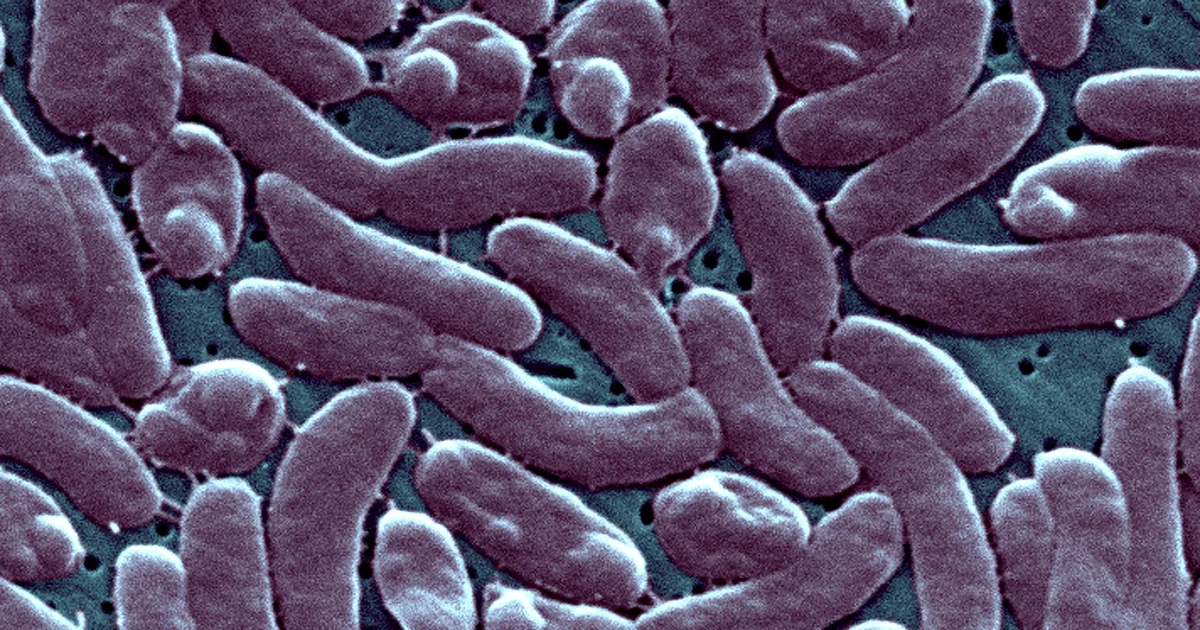
Health officials are sounding the alarm after a deadly surge of Vibrio vulnificus, a flesh eating bacterium that thrives in warm seawater, claimed at least seven lives along the Gulf Coast this year. The fatalities include five people in Louisiana and two in Florida, highlighting the dangers of a pathogen that typically enters the human body through open cuts or the consumption of raw shellfish. While these deaths are concentrated in the south, experts warn that rising global temperatures are pushing the bacteria further north, with researchers detecting its presence as far away as New York and Maryland.
The danger often begins with something as simple as a minor injury. Summerlin Skipworth recalls a terrifying experience during a trip to Alabama’s Orange Beach when she injured her foot on some shoreline rocks. What started as moderate pain quickly escalated into an agonizing sensation she described as having gasoline poured on her foot and lit on fire. Though she required emergency surgery to survive, doctors say her recovery was possible only because of early detection, serving as a grim reminder that speed is critical when treating these infections.
Medical professionals emphasize that while anyone can be infected, certain individuals face much higher risks. Those living with liver disease, cancer, diabetes, or HIV, as well as people taking immune suppressing medications, should exercise extreme caution. Dr. Peter Hotez warns that people with these vulnerabilities or any existing skin abrasions should avoid swimming in brackish waters where saltwater meets freshwater along the Gulf Coast and Atlantic Seaboard.
To stay safe, health experts advise immediate action if an open wound is exposed to coastal waters. Cleaning injuries thoroughly right away is essential to prevent colonization by the bacteria. People should watch for warning signs such as fever, chills, nausea, or localized symptoms including redness, swelling and fluid discharge around a wound. Because approximately one in five people who contract this specific bacterium do not survive, seeking medical attention at the first sign of inflammation can be life saving.