
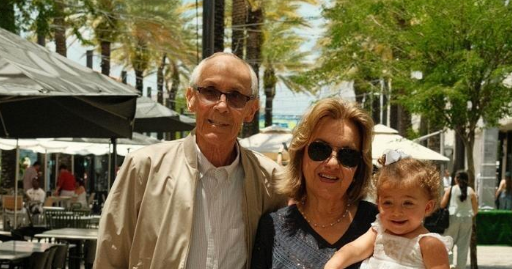
For Hernando Salcedo, an active 83 year old grandfather who spent his mornings walking miles through his neighborhood, the sudden appearance of abdominal swelling in May 2025 was a confusing alarm bell. What initially seemed like typical aging pains soon turned into a nightmare when an MRI revealed he was battling stage three pancreatic cancer. Because surgery was not an option for him, Salcedo faced a grim outlook with a diagnosis that typically offers only months of survival and requires aggressive chemotherapy designed to extend life rather than cure the disease.
The initial rounds of traditional intravenous chemotherapy were devastating. Salcedo’s son, Mauricio, recalls watching his father transform from a vibrant man into someone who could barely leave his bed due to extreme weight loss and debilitating nausea. The systemic nature of the drugs meant that while they fought the cancer, they ravaged his entire body, leaving him feeling worse than he had before the diagnosis. It became clear that the standard approach was taking too high a toll on his remaining quality of life.
A turning point arrived when experts at the Miami Cancer Institute suggested Salcedo join a clinical trial using a specialized delivery system developed by RenovoRX. Unlike traditional chemo that floods the bloodstream, this method uses a ballooned catheter to deliver medication directly into the artery nearest the tumor. According to his physician, Dr. Ripal Gandhi, this localization prevents most of the toxic drugs from reaching other organs, significantly reducing side effects and allowing more medicine to penetrate the dense tissue surrounding pancreatic tumors.
Salcedo described the difference between the two treatments as night and day. After transitioning to the catheter method over several months, he found himself waking up without pain or nausea and feeling virtually normal again_ For him, it was as if the treatment fixed his life. By April of following year, doctors confirmed that his cancer had stabilized and had not spread further, effectively beating the statistical odds associated with late stage diagnoses.
While both Salcedo and his family remain realistic about his age and prognosis, these gains in health have allowed him to reclaim precious moments with his loved ones. He recently traveled to Colombia for his nephew’s wedding, where he spent the evening dancing and celebrating_ For a man once confined to a hospital bed, this return to joy serves as a powerful testament to how precision medicine can prioritize dignity and quality of life alongside survival.