
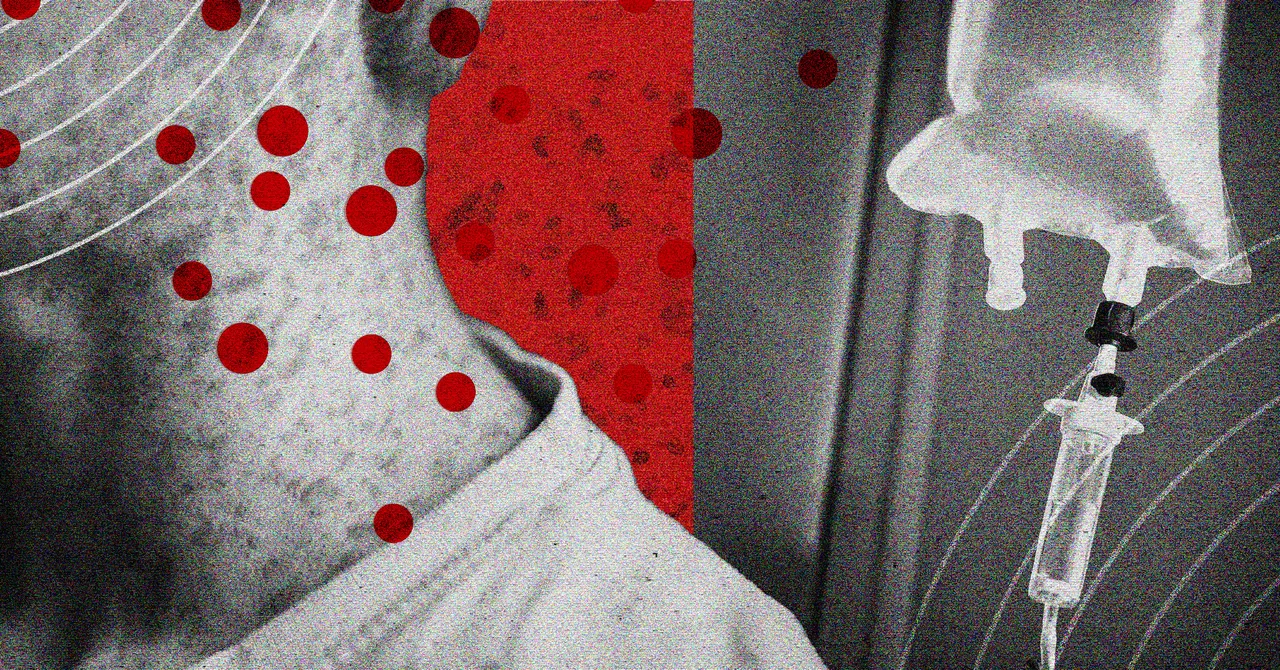
For decades, the success of the measles vaccine was so absolute that there was almost no reason for the medical community to invest in treating the disease once it took hold. Prevention worked so well that treatments became an afterthought, leaving doctors with very few tools beyond basic supportive care like hydration and vitamin supplements when someone did fall ill. However, a sharp decline in vaccination rates across the United States has sparked a worrying trend, pushing caseloads to heights not seen in thirty five years and forcing researchers to rethink their strategy.
The surge has been particularly evident in states like Utah and South Carolina, where numbers have already eclipsed previous annual totals midway through the year. Because measles is incredibly contagious, maintaining a ninety five percent vaccination rate is essential to protect those who cannot be vaccinated, such as infants and immunocompromised individuals. As these rates dip, the risks increase for young children who face severe complications including pneumonia, permanent deafness, and fatal brain damage. This void in medical options has prompted biotech firms and academic institutions to begin racing toward a cure.
Companies like Invivyd and researchers at Vanderbilt University are focusing on monoclonal antibodies, which essentially mimic the body’s own immune response to neutralize the virus. These therapies could provide critical short term protection for high risk patients during an outbreak or help treat those already infected. While promising results have been seen in animal studies showing significant reductions in viral loads, moving these treatments into human trials remains a steep climb involving immense costs and regulatory hurdles.
There are also lingering questions about whether these expensive new therapies would actually reach the people who need them most. Pharmaceutical companies are often hesitant to invest in infectious disease drugs because outbreaks can be sporadic rather than constant revenue streams. Furthermore, experts wonder if individuals who actively refuse traditional vaccines would be willing to accept high cost antibody infusions administered via IV or injection. Despite these uncertainties, scientists argue that providing a targeted treatment is far more sustainable than managing the devastating long term costs of childhood brain damage or widespread public health crises.