
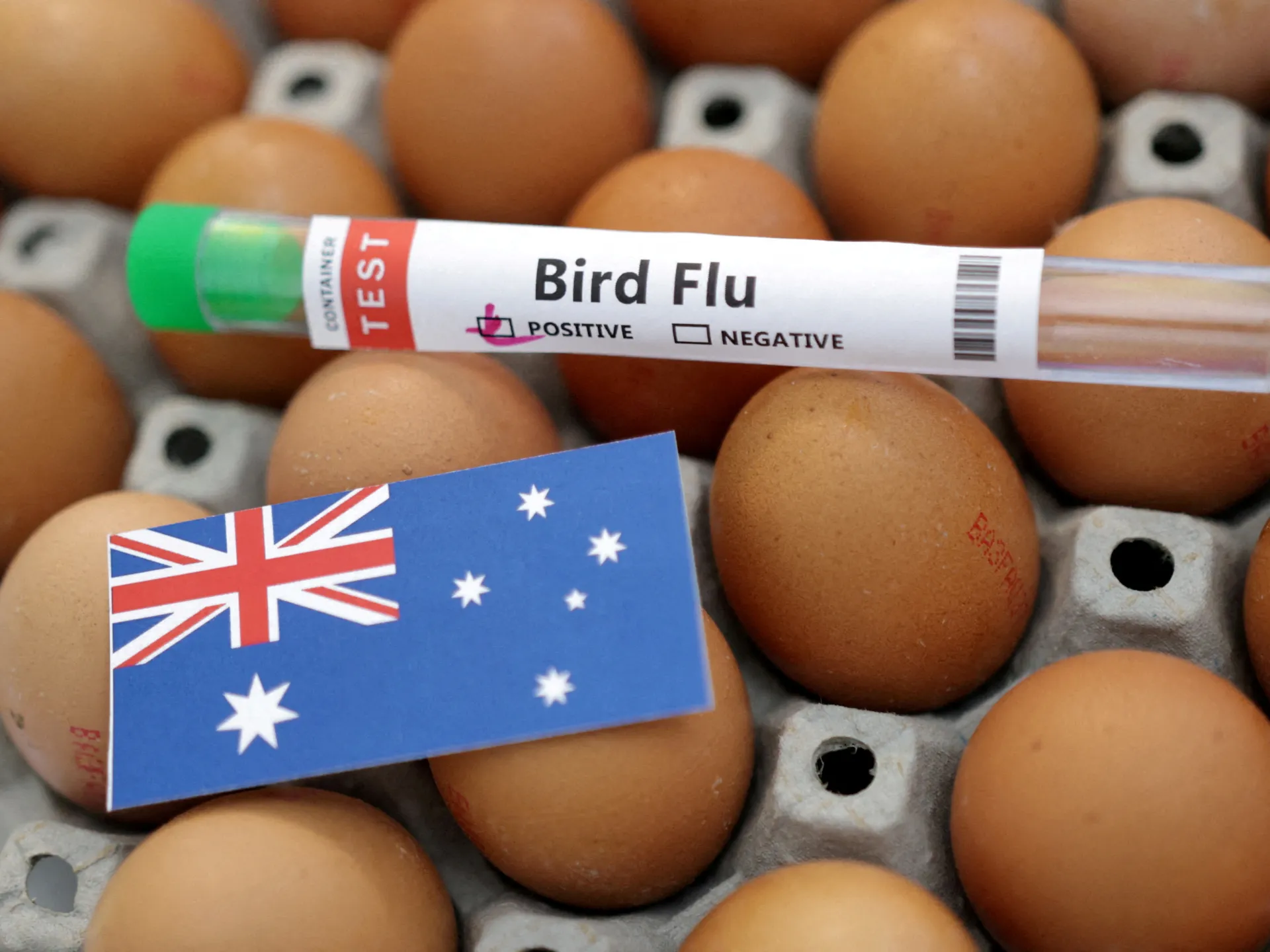
Australian authorities are warning that the highly contagious H5N1 bird flu is likely to spread across the region following the country’s first recorded mass mortality event among seabirds. Agriculture Minister Julie Collins confirmed on Monday that testing returned positive results for the virus in a colony of greater crested terns discovered off the coast south of Adelaide. The discovery was made during helicopter surveillance near Cape Jaffa, where forty nine dead and thirty five sick birds were identified on remote rocks.
While the government acknowledges that this marks a grim milestone, officials emphasized that there is currently no evidence of the virus infiltrating commercial farms. Many poultry producers had already implemented lockdown measures to protect their flocks after the virus was first detected in June. Despite these precautions in the agricultural sector, Minister Collins cautioned that Australians should prepare to see an increase in both the frequency and scale of wildlife infections moving forward.
Federal Environment Minister Murray Watt added a sobering perspective on the difficulty of containment, noting that it is virtually impossible to restrict the movement of native and wild birds. He explained that because wild animals cannot be fenced in or stopped from migrating, more mass mortality episodes similar to the one at Cape Jaffa are inevitable as the virus moves through various populations.
Australia and neighboring New Zealand have spent several years preparing for this eventual arrival through tightened biosecurity protocols, targeted vaccinations for vulnerable species, and extensive response simulations. This preparation comes as H5N1 continues to devastate animal populations globally, killing hundreds of millions of birds and mammals and causing massive economic losses for farmers worldwide. While health officials maintain that the risk to humans remains low, they continue to monitor the situation closely as Australia becomes one of the final continents to face a direct hit from the strain.