
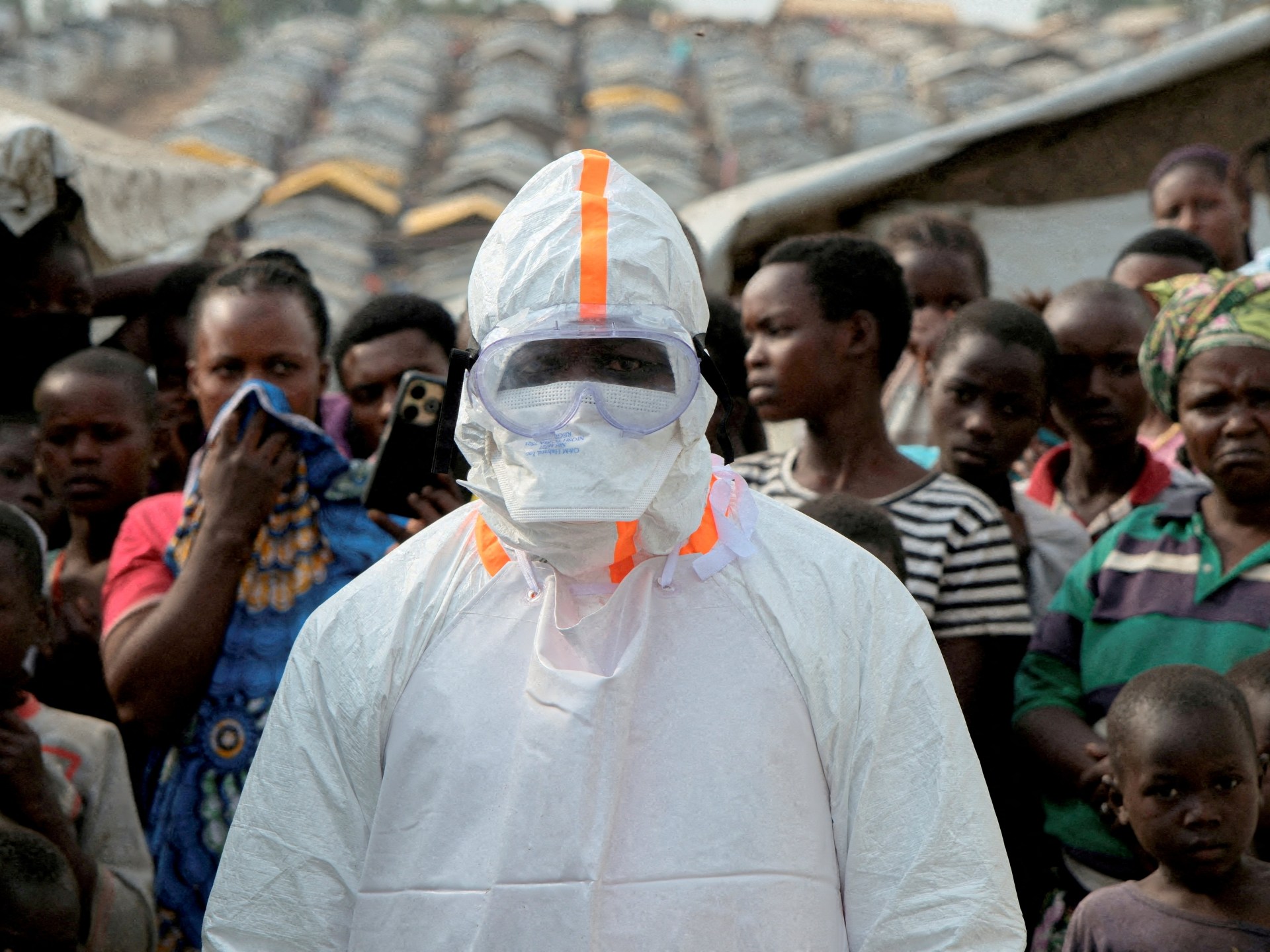
Health officials in the Democratic Republic of the Congo are facing a dire situation as Ebola infections have climbed to 3,200 cases, resulting in at least 1,405 deaths. The scale of the crisis escalated rapidly over the last ten days alone, with roughly 1,000 new infections reported during that short window. This current outbreak, which began on May 15, is driven by the Bundibugyo strain of the virus, a particularly challenging variant because there are currently no approved vaccines or established treatments available to combat it.
The virus has now penetrated five different provinces, though the vast majority of cases remain concentrated in the northeastern province of Ituri near the borders of Uganda and South Sudan. While authorities suggest that better detection and testing methods have helped uncover more hidden cases, they admit that containing the spread remains an uphill battle. Efforts are further complicated by logistical nightmares and internal instability; some hospitals have seen their responses crippled by healthcare worker strikes over unpaid salaries.
Getting medical personnel and supplies into these remote regions has become one of the greatest hurdles for international agencies. Hedley Tah of the UN Humanitarian Air Service explained that while the will to help exists within the humanitarian community, simply reaching those in need is often a massive challenge. Beyond transporting doctors and emergency teams, aviation services are working around the clock to move laboratory samples so that scientists can trace how the virus is moving through various populations.
Despite the grim numbers, there is a glimmer of hope coming from the scientific community. Researchers at Oxford University recently announced that a first group of volunteers has received an experimental vaccine specifically designed for the Bundibugyo strain. Several other candidate vaccines and potential treatments are being fast tracked for clinical trials in hopes of ending an outbreak that experts fear could persist for several more months.