
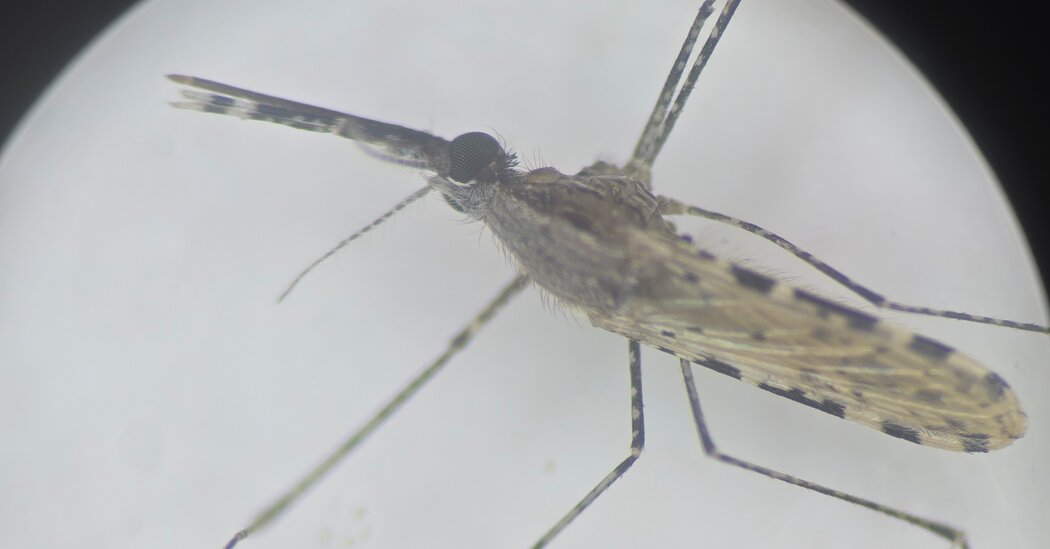
Public health officials are sounding the alarm as an invasive species of mosquito spreads across Africa with a speed and efficiency that has blindsided the scientific community. Known as Anopheles stephensi, this particular vector carries malaria and possesses a dangerous ability to thrive in dense urban environments where the disease was previously not considered a major threat. Having first arrived in Djibouti over a decade ago, the insect has since pushed westward toward Ghana and southward through Kenya, moving far faster than even the most pessimistic projections predicted.
What makes this invasion particularly terrifying is a recent genomic analysis involving specimens from ten different countries. Led by Tristan Dennis of the University of Queensland and published in the journal Science, the study revealed that these mosquitoes have developed genetic resistance to every single chemical currently used in spraying campaigns and control efforts. Because current insecticides simply do not work against them, many experts now believe it is too late to contain the spread. As Dennis puts it, the genie is completely out of the bottle.
The shift in habitat represents a fundamental change in how malaria may impact the continent’s population centers. Unlike native African mosquito species that typically prefer rural areas and struggle during dry seasons, Anopheles stephensi is resilient and comfortable in city settings. This opens the door for malaria to take hold in massive megacities like Lagos and Kinshasa, where tens of millions of people live in close proximity. According to Dr. Eric Ochomo of the Kenya Medical Research Institute, urban settings have historically been safe havens from the disease, but that protection is rapidly disappearing.