
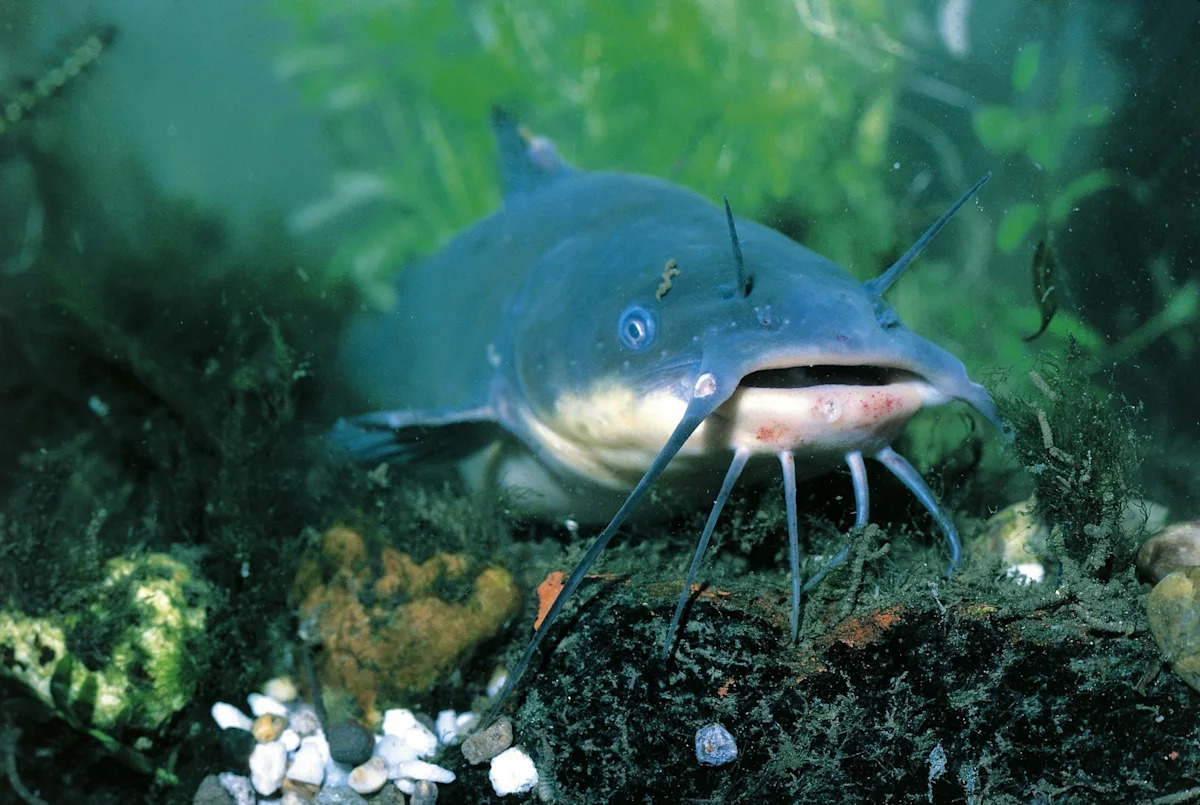
For years, anglers and biologists fishing in Lake Memphremagog, the vast body of water straddling the border of Vermont and Quebec, noticed something unsettling about the local brown bullhead catfish. Many of the fish were emerging from the depths with strange, raised black spots covering their bodies. Initial surveys revealed a startling trend, with anywhere from twenty three to thirty seven percent of sampled fish suffering from melanoma lesions. Because of the high frequency of these tumors, researchers initially looked toward environmental culprits, wondering if pollutants stirred up by the devastating floods of Tropical Storm Irene back in 2011 had triggered a localized cancer epidemic.
However, a new study published in Nature suggests a far more provocative explanation. Rather than being caused by toxins in the water, scientists believe these cancer cells are actually jumping from one fish to another. By using whole genome sequencing to map the DNA of the tumors and comparing them to healthy tissue, researchers discovered that the melanomas across different fish were nearly identical to each other but vastly different from the individual catsfish hosting them. This indicates that instead of separate cancers forming independently in each animal, a single lineage of cancer cells is migrating between hosts.
This discovery marks the first time a transmissible cancer has been identified in fish and the first instance recorded in any freshwater environment. While contagious cancer sounds like something out of science fiction, it does occur in nature on a very limited scale, having previously been documented in Tasmanian devils, certain dog breeds and bivalve mollusks like clams. Biologists suspect that because brown bullheads huddle closely together during spawning seasons, they create the perfect opportunity for malignant cells to transfer through physical proximity, though the precise mechanism remains under investigation.
Despite the alarming nature of la contagion among wildlife, health officials are quick to reassure the public that there is no danger to people. Lake Memphremagog serves as a primary drinking water source for over one hundred seventy five thousand residents, but experts state there is no evidence that this specific melanoma can jump species or infect humans through contact or ingestion. Instead, scientists view this phenomenon as a unique biological window into how cancer functions. Studying how these cells evade immune systems and thrive in foreign hosts may provide critical clues in the broader fight against malignancy across all species.