
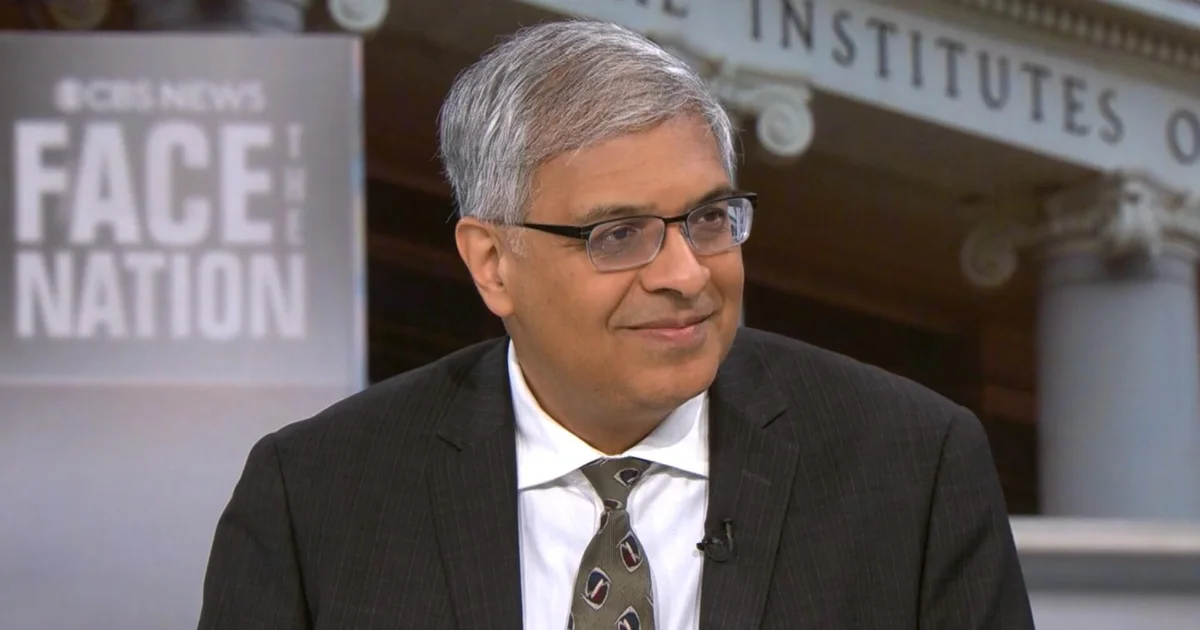
Dr. Jay Bhattacharya, the director of the National Institutes of Health, made a strong plea for pediatric immunization this weekend as measles cases hit their highest levels in thirty five years. Speaking on Face the Nation with Margaret Brennan, Bhattacharya emphasized that he trusts the science regarding standard childhood vaccinations, including those for measles and DTP. In a personal appeal to concerned parents ahead of the autumn school season, he revealed that he has vaccinated his own children and urged other families to do the same to prevent avoidable diseases.
While advocating for vaccines, Bhattacharya also cautioned against using fear to keep children out of the classroom. Reflecting on the COVID 19 pandemic, he described it as a tremendous mistake when public health messaging caused parents to fear sending their children to school. He warned that fearmongering about unvaccinated peers creates a cycle of distrust in public health institutions. According to Bhattacharya, the solution is straightforward: vaccinate children to protect them from risk and then ensure they return to their education.
The urgency comes as data shows a significant dip in community immunity across the United States. Recent figures indicate that only ten states maintained measles coverage rates above ninety five percent among kindergarteners during the previous school year, falling short of the threshold needed for herd immunity. While addressing various regional outbreaks in states like Texas, Arizona, and South Carolina, Bhattacharya noted that targeted efforts have already helped bring many of those spikes under control, though new clusters continue to emerge in Pennsylvania and Virginia.
Beyond current outbreaks, Bhattacharya touched upon the complex relationship between vaccines and autism following reports of a pending White House executive order on the subject. Acknowledging that scientists still do not have a simple answer as to why autism rates have risen, he expressed hope for an environment where researchers can explore these questions without political pressure or fear of professional destruction. By removing the political overlay from scientific inquiry, he argued that public trust could finally be restored through open dialogue and rigorous evidence.