
California once seemed to be leading the nation toward a future of universal healthcare, reaching a historic milestone where ninety five percent of its population held insurance regardless of their income or immigration status. But that progress is beginning to unravel as budget deficits and shifting federal restrictions force state leaders to scale back the very systems they spent years building. New projections from researchers at UC Berkeley and UCLA suggest the fallout could be severe, with the state’s uninsured rate potentially doubling to fifteen percent by 2030. Experts warn that roughly 2.2 million people could lose their coverage over the next four years, hitting undocumented immigrants and low income residents in Southern California the hardest.
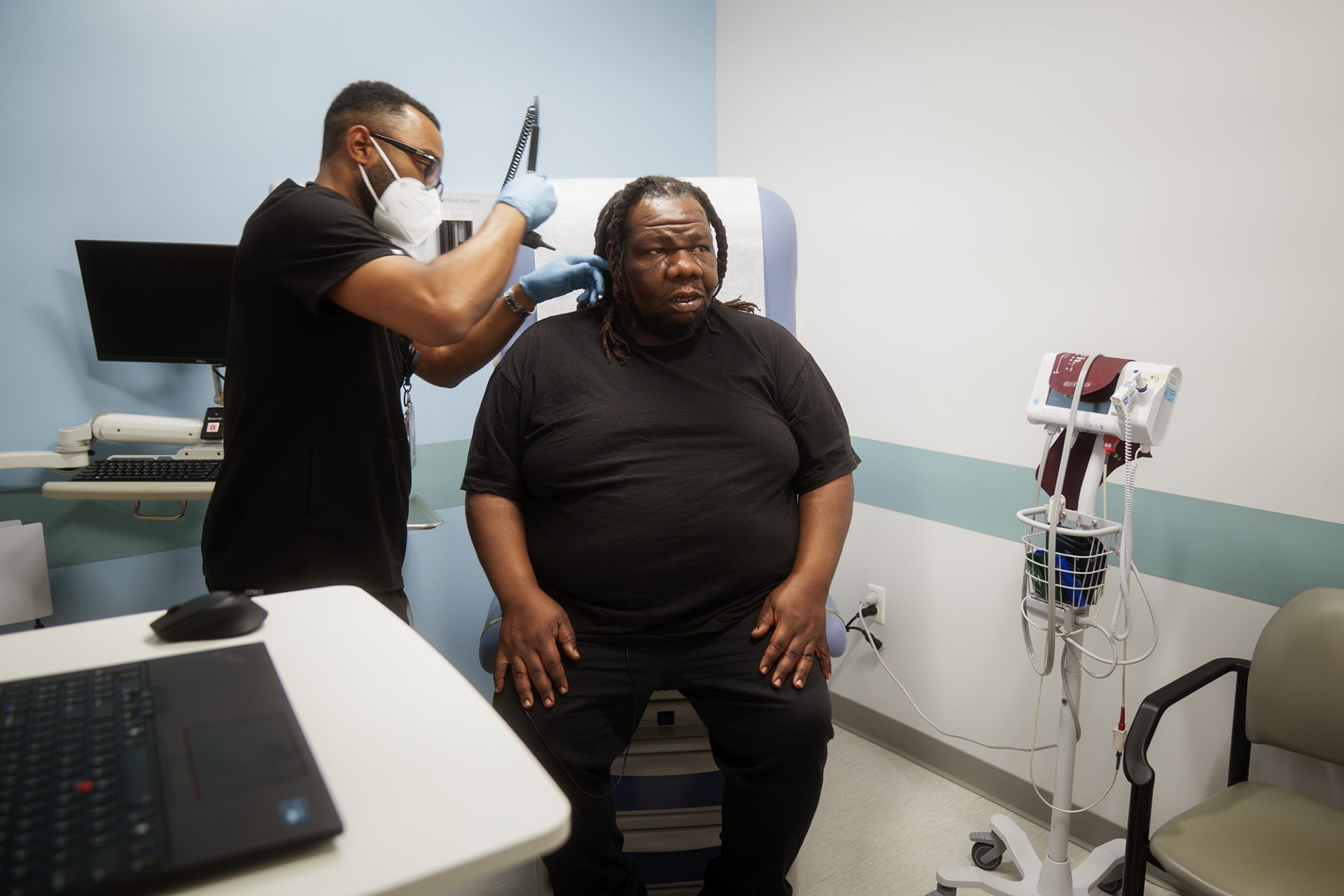
For families like those of Ramonte Means, these statistics represent a terrifying return to a past defined by medical neglect. Years ago, Means lost his wife, Kandi Hill, to stage four cervical cancer after she struggled to find a doctor who would perform basic diagnostic tests beyond an STD panel. At thirty one, she died from a disease that is highly treatable if caught early, but at the time, the Medi Cal system was skeletal and often indifferent to poor Black patients. While current expansions have made specialized care more accessible, Means fears that cutting these programs will again leave vulnerable families stranded without a safety net.
The erosion of these benefits comes despite Governor Gavin Newsom’s previous push to make universal access a reality in California. His administration oversaw massive expansions that eventually included low income undocumented adults and seniors, ensuring millions of residents finally had a way to see a doctor without facing financial ruin. However, this ambition came with a steep price tag; total Medi Cal spending surged from ninety six billion dollars in 2019 to two hundred seventeen billion this year. This growth has drawn sharp criticism from Republican lawmakers and even some moderate Democrats who argue that aggressive cost containment is now necessary for the state’s fiscal health.
As policymakers debate budgets and line items, those living on the edge feel they are being asked to sacrifice their basic humanity for balance sheets. Ramonte Means currently balances multiple part time jobs specifically because employers avoid giving full time hours to bypass providing benefits. By keeping his income just below certain thresholds, he ensures his children remain covered under Medi Cal while he navigates a precarious existence between employment gaps. For him and millions of others facing potential rollbacks, it is not about seeking handouts but about maintaining basic stability. As Means puts it simply, they are just asking for some dignity.