
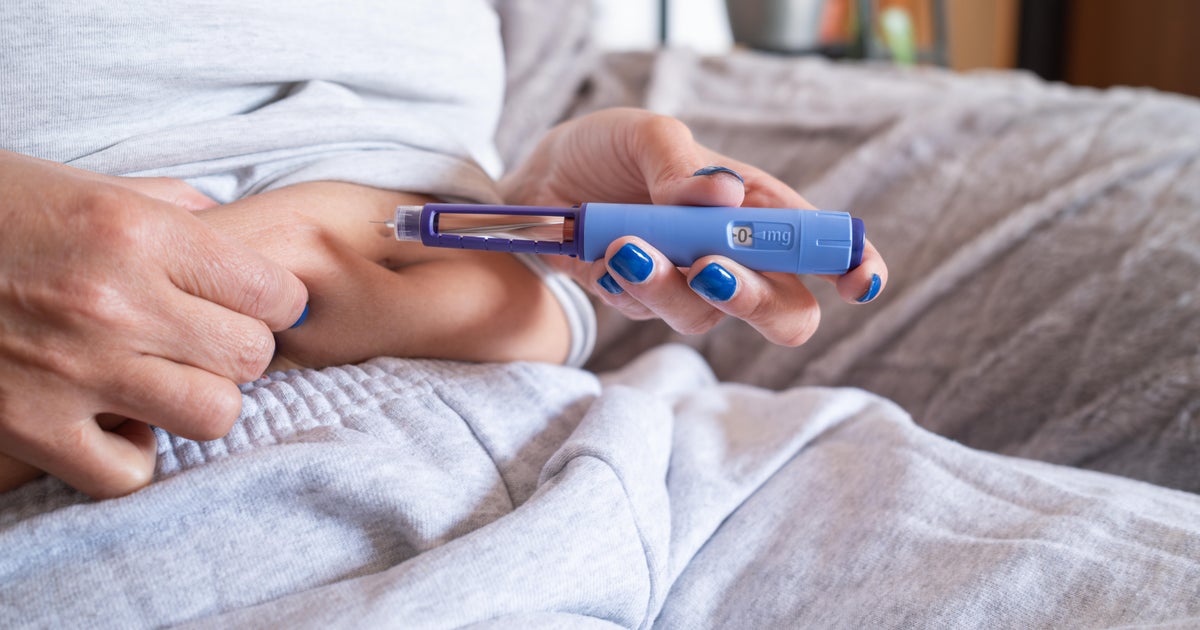
Workers who take popular GLP-1 medications like Ozempic and Wegovy are taking significantly less sick leave than those who don’t, according to a new economic study that suggests the drugs could deliver meaningful cost savings for both employers and governments. Researchers from the National Bureau of Economic Research found that patients using the medications took 17 percent less long-term sick leave, defined as illness-related absences lasting more than 30 days, compared to non-users. The findings add a compelling economic dimension to the already well-documented health benefits of GLP-1 drugs, which are prescribed for diabetes and obesity and have been shown to reduce the risk of serious cardiovascular events including heart attacks and strokes.
Jonathan Zhang, a co-author of the study and a professor at Duke University, said the connection between fewer major health emergencies and fewer extended absences from work is intuitive. Those kinds of medical events would naturally lead to long stretches away from the job, he told CBS News, so preventing them translates directly into measurable savings. The study, which analyzed worker and medication data from Denmark, calculated that the reduction in absences amounts to savings of up to 1.5 percent of an individual’s salary, or roughly $866 on average per person.
Denmark’s sick leave policies differ considerably from those in the United States, which complicates direct comparisons but also highlights different ways the savings might flow. In Denmark, employers must pay full salaries for up to 30 days of illness-related absence, while the government covers anything beyond that. That means short-term reductions in illness save employers money, while fewer long-term absences ease the burden on public funds. Zhang noted that because Danish sick leave benefits are so generous, individual workers don’t necessarily see the financial upside themselves, even as employers and the state reap fiscal rewards.
Still, Zhang believes the findings carry real implications for the American labor market, where paid sick leave is far less common and workers often show up ill rather than stay home. In the U.S., people frequently go to work even when they feel unwell, making them less productive without benefiting either themselves or their companies. If GLP-1 medications can reduce what researchers call presenteeism — employees who are physically at work but underperforming due to health problems — firms could see productivity gains while workers might find themselves better positioned to advance in their careers.