
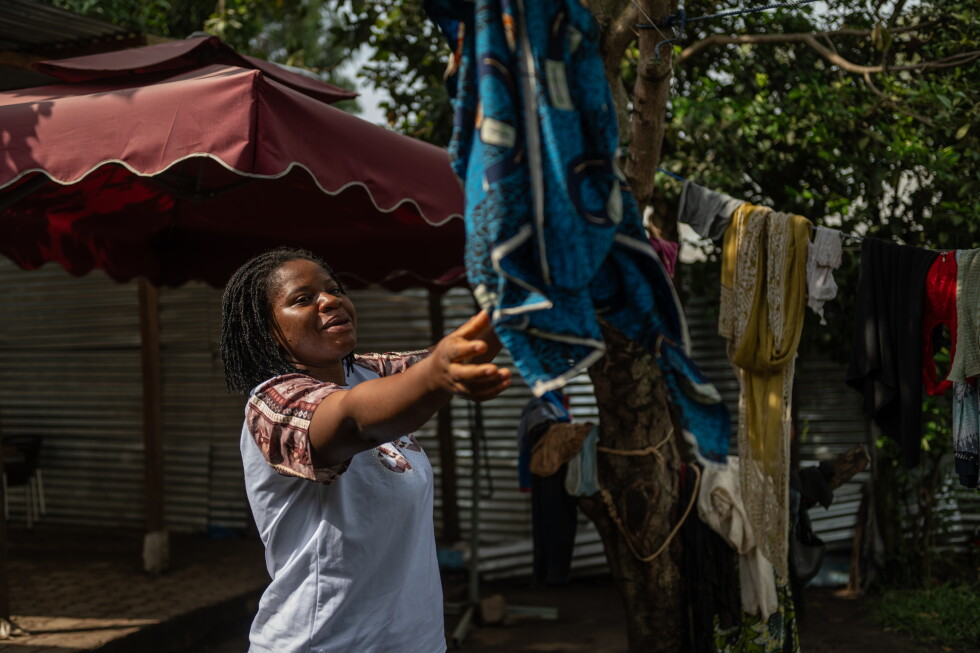
In the heart of eastern Congo, a terrifying secondary crisis is unfolding alongside the region’s struggle with Ebola. In Bunia, the capital of Ituri province, pregnant women like Esther Lutula are making a dangerous choice to skip their prenatal checkups. For Lutula and many others, the fear of being mistakenly quarantined for a simple fever outweighs the risks of unmonitored pregnancy. This climate of suspicion and misinformation has turned hospitals into places of dread rather than healing, leaving expectant mothers to gamble with their lives in hopes of avoiding isolation wards.
The statistics painting this picture are grim. According to Noemi Dalmonte of the United Nations Population Fund, maternal deaths in Ituri nearly doubled following the start of the outbreak in May. Weekly fatalities climbed from an average of three to nearly six, while deaths occurring outside formal health centers surged significantly. At the Benedicte Clinic in Bunia, medical director Dr. Sonny Mwembo reports a staggering drop in prenatal registrations, plummeting from sixty women per month to just ten. These numbers reflect a broader trend where rumor and fear act as barriers to life saving care.
Adding to the tragedy is a healthcare system already pushed to its breaking point. With resources diverted toward fighting Ebola, basic maternal services have withered. Medical professionals are facing unpaid wages and physical danger; several health facilities have been attacked by angry residents fueled by misconceptions about the virus. Some doctors and nurses have walked off their jobs entirely, further stripping away any remaining support for women in labor or those experiencing complications.
For countries like Congo, which already struggles with some of the highest maternal mortality rates globally, this overlap is catastrophic. While international focus remains on containing Ebola’s contagion through bodily fluid precautions and treatment centers, local families are suffering from a collapse of routine obstetric care. Until trust can be rebuilt between the community and clinical providers, thousands of women remain trapped between two lethal threats: a viral epidemic and the perils of giving birth without medical assistance.