
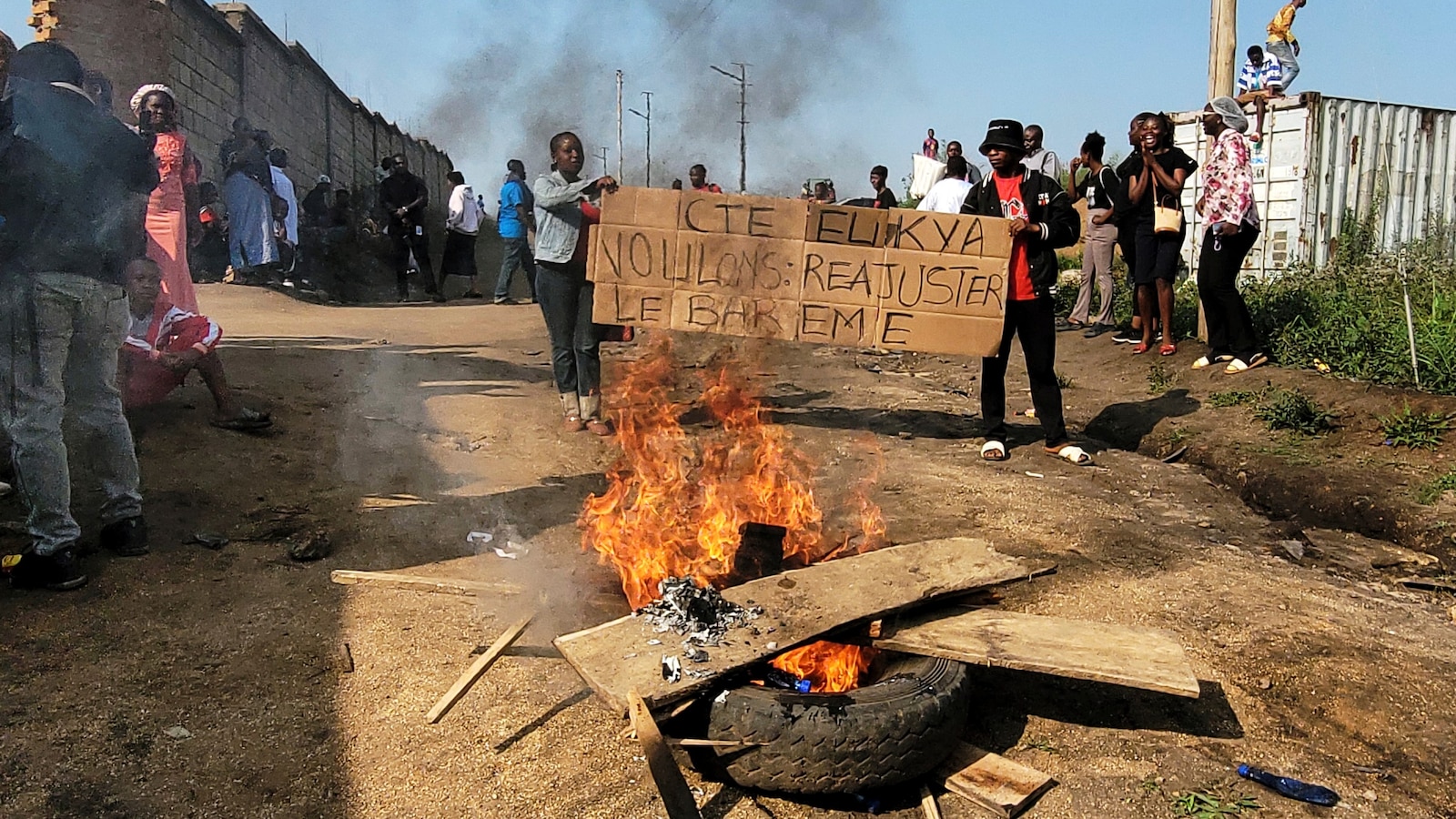
Medical services at the heart of the Democratic Republic of Congo’s worst Ebola crisis have ground to a halt as exhausted health workers walked off the job. At the Elikya Ebola Treatment Center in Bunia, doctors, nurses, and security personnel staged a protest on Saturday, demanding overdue performance bonuses that have been missing for two months. The timing of the strike is particularly dire, occurring just as government figures reveal that confirmed cases have surged to nearly 3,000, with death tolls surpassing 1,300 in what officials describe as the fastest-growing outbreak on record.
The atmosphere at the facility is one of desperation and urgency. Striking workers warned that the lack of staffing is directly contributing to more deaths within the clinic walls. One worker, Martin Bolombi, noted that several patients have already died while trapped inside during the standoff. This labor unrest follows a similar pattern seen last week at Bunia General Hospital, where some staff claimed they had not received any payment since they first began fighting the virus at the start of the epidemic.
Government leaders are scrambling to contain both the disease and the workforce rebellion. Prime Minister Judith Suminwa recently toured treatment hubs in Ituri province, where she was met with immediate protests regarding payroll failures. Dr. Adelard Lufungula, an operations manager for the response effort, stated that payments are being transitioned to mobile money systems to clear backlogs quickly and get specialists back to their posts. However, these administrative hurdles are compounding an already fragile situation where over 100 healthcare providers have themselves become infected.
Beyond the internal disputes over pay, health officials are facing a logistical nightmare in eastern Congo. Because this specific outbreak involves the rare Bundibugyo virus, there are currently no approved vaccines or treatments available, unlike previous outbreaks involving different strains of Ebola. Efforts to track new infections are further hindered by violent regional conflicts and illegal mining activities that displace thousands of people daily. With patient zero still unidentified and community mistrust high, authorities are struggling to keep pace with a virus moving faster than their ability to monitor it.