
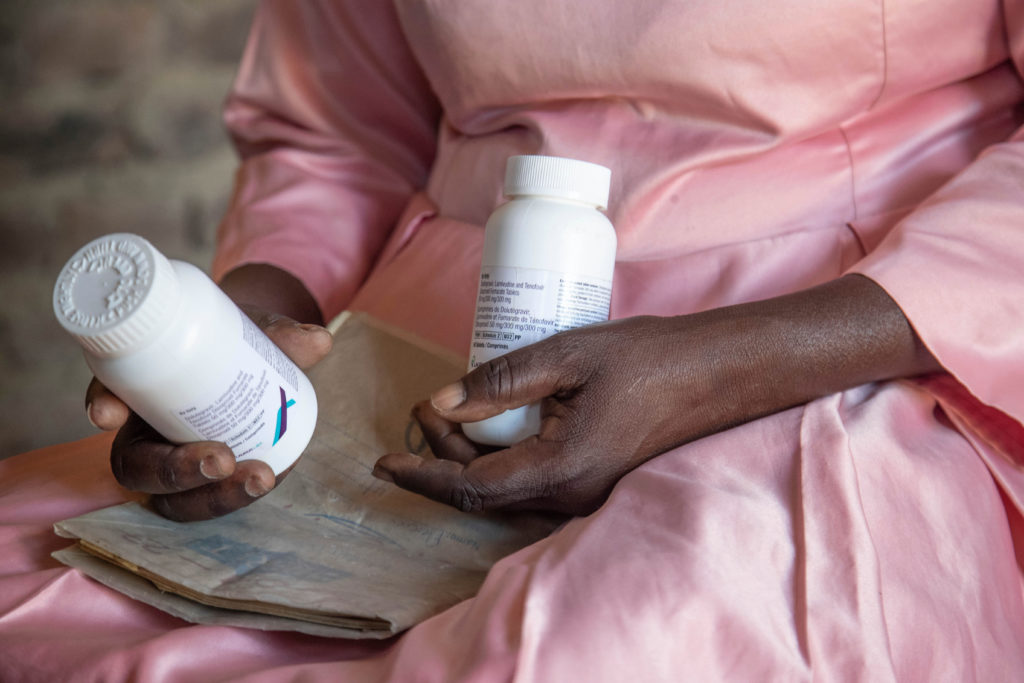
A new report from the global HIV/AIDS nonprofit amfAR is drawing fresh attention to the human cost of the Trump administration’s dismantling of USAID and deep cuts to PEPFAR, a program credited with saving more than 26 million lives since its creation under President George W. Bush in 2003. The study, which surveyed over 166 organizations across 46 countries, found that more than 1,700 HIV treatment sites have shut their doors worldwide. The findings were presented this week at the International AIDS Conference in Rio de Janeiro, where researchers and advocates gathered amid growing alarm over the collapse of American and international funding for the fight against HIV.
Dr. Atul Gawande, who served as assistant administrator of USAID under President Biden, said the report confirms what public health experts had feared but could not previously quantify. He pointed to particularly devastating disruptions among organizations serving vulnerable populations, with 73 percent of groups that work with sex workers, men who have sex with men, and people who inject drugs reporting they have stopped providing at least one core service. More than 63 percent of programs focused on preventing mother-to-child transmission reported similar breakdowns. Gawande noted that one network of 22 neonatal clinics in Africa documented a 50 percent jump in maternal HIV rates alongside a more than 300 percent increase in women found to be untreated, raising fears that a new generation of children could be born with the virus.
Perhaps most troubling, according to Gawande, is that testing and contact tracing efforts have plummeted even as treatment sites close. He warned that these less visible losses often precede a surge in new infections because they remove the ability to identify and reach people before the virus spreads further. The timing is especially painful for advocates given recent scientific breakthroughs, including lenacapavir, a long-acting injection that prevents HIV for six months and was hailed by Science journal as the discovery of 2025. While the administration has begun rolling out the drug, it has simultaneously severed partnerships critical to ending the epidemic.
The State Department pushed back against amfAR’s findings, calling the methodology flawed and arguing that lifesaving treatments continue reaching patients through alternative partners and agreements. But Gawande dismissed those assurances as inadequate, noting that replacement deals come with far fewer dollars and do not include dedicated services for marginalized groups often turned away by government health systems. The result, he argued, is not merely a slowdown in progress toward ending AIDS but an active reversal that threatens years of hard-won gains against an epidemic once thought to be within reach of defeat.